
bg-image_1.original

Crossed Roller Bearings - Precision Engineered by PRS Bearing

Discover our comprehensive range of crossed roller bearings designed for high rigidity, compactness, and superior rotational accuracy. From standard to custom solutions, PRS Bearing delivers the reliability your applications demand.

Product Category

Crossed Roller Bearings Overview

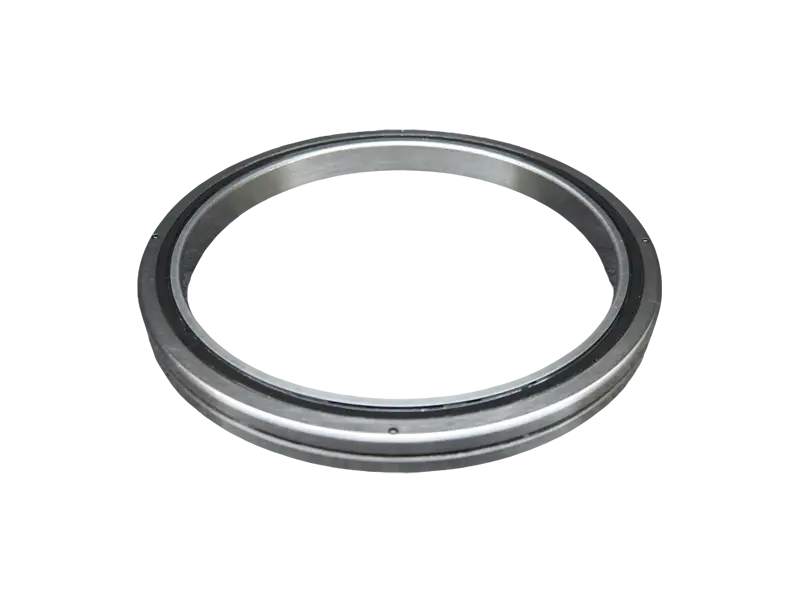
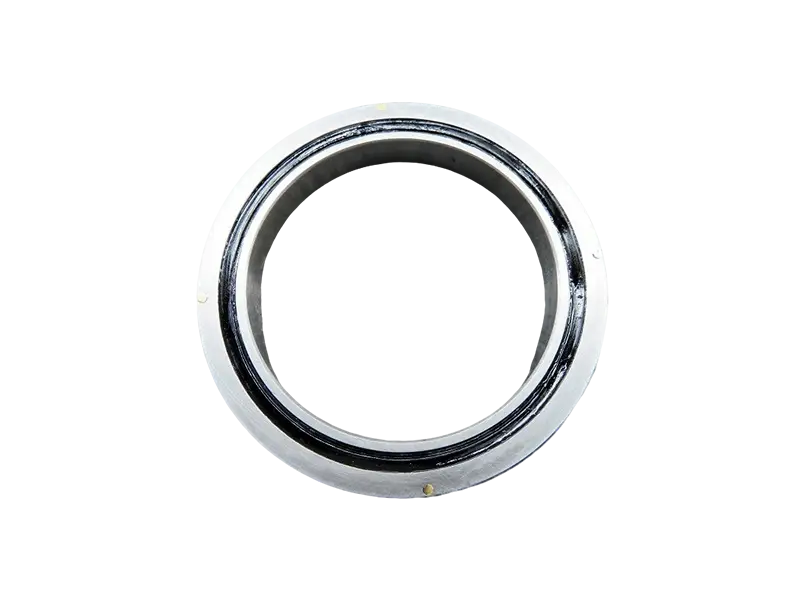
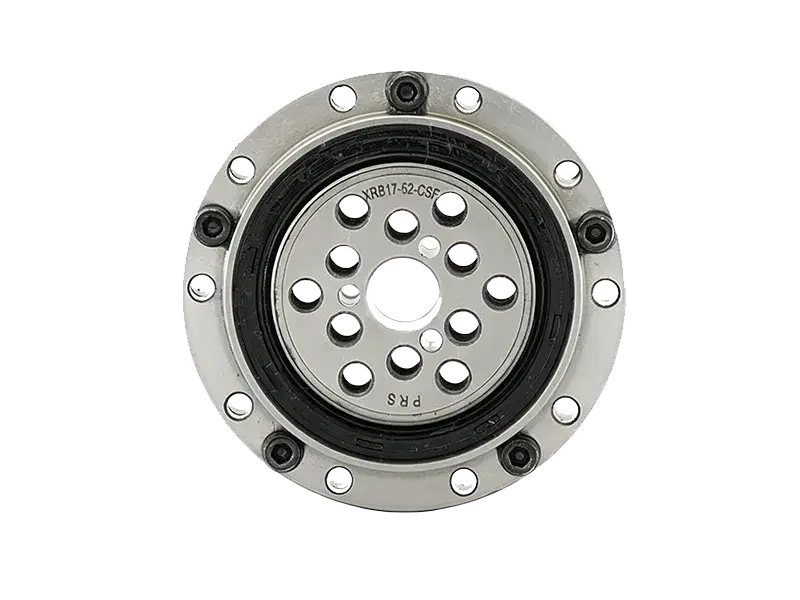
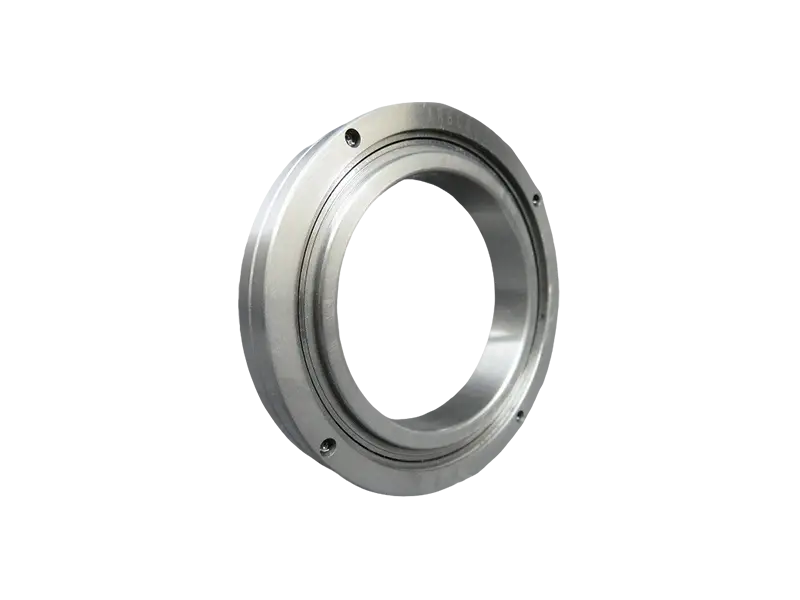
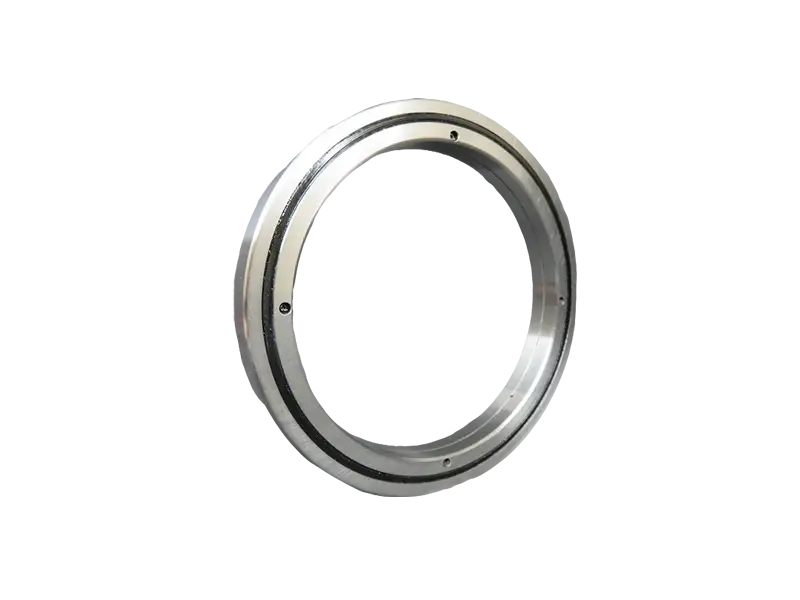
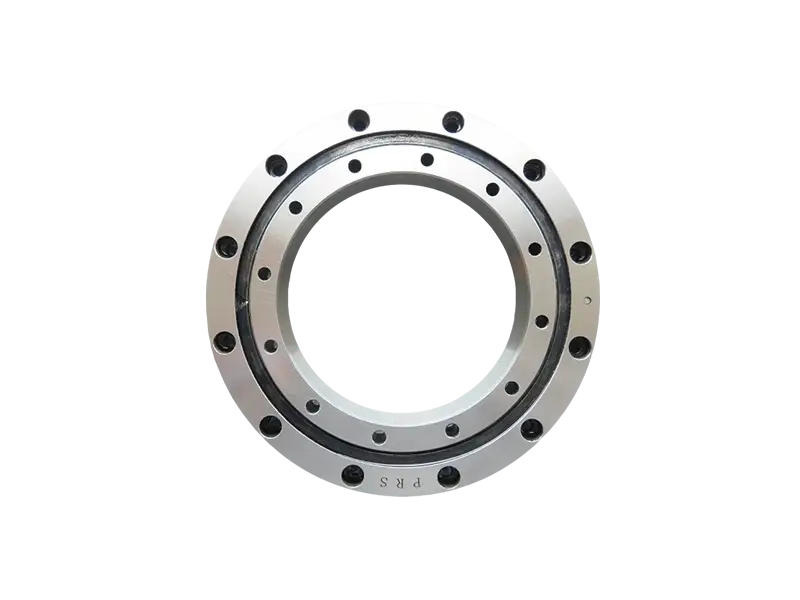
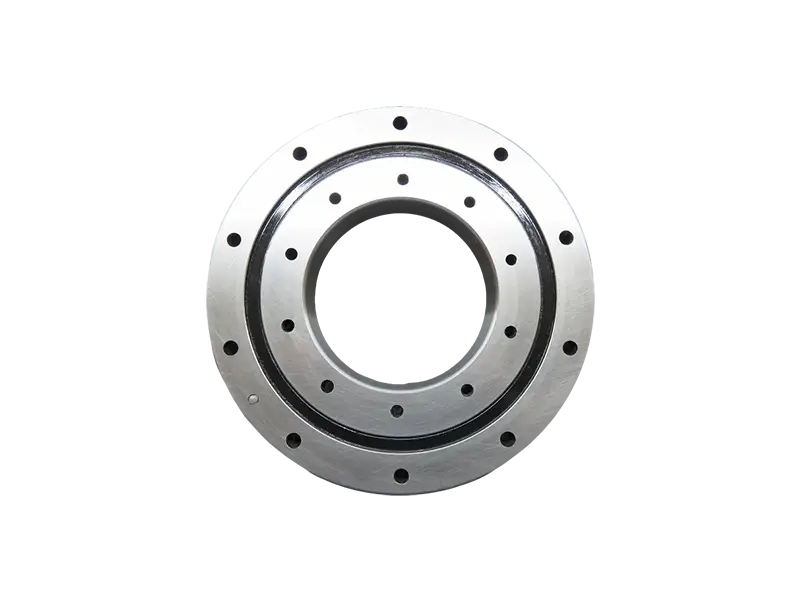
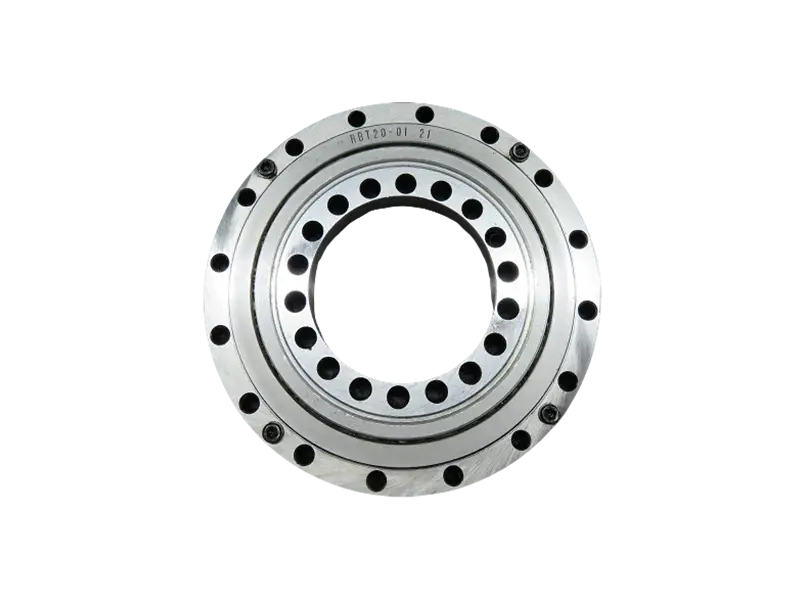
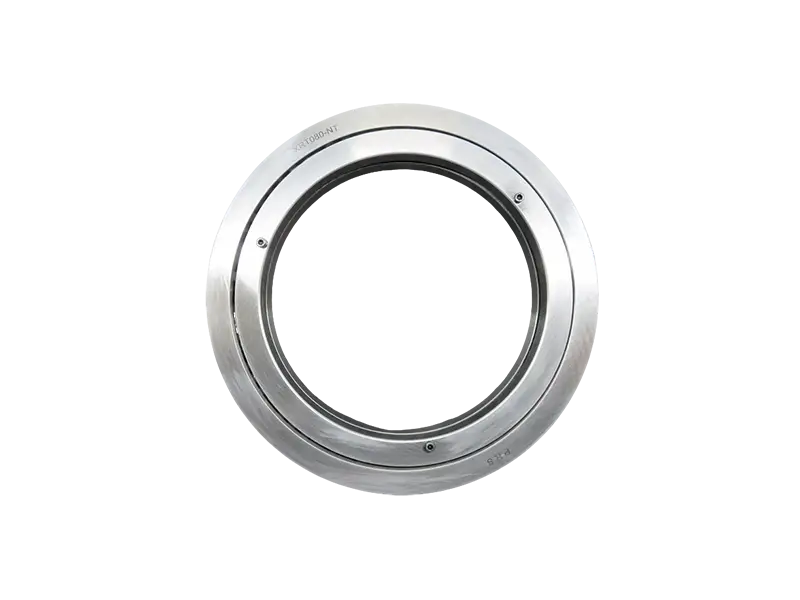
Cross roller bearings feature cylindrical rollers arranged at 90° intervals between the inner and outer rings. This unique design enables a single bearing to support radial, axial, and moment loads simultaneously while maintaining exceptional rigidity and rotational accuracy in a compact structure.

Engineered for precision, built for demanding applications. Discover reliable cross roller bearings that deliver smooth motion, high stiffness, and long-lasting performance across a wide range of industrial equipment.

Supports Multi-Directional Loads

A 90° crossed roller arrangement allows the bearing to handle radial, axial, and overturning moment loads simultaneously. This eliminates the need for multiple bearing sets, simplifying equipment design while improving overall stability.

Ultra-Compact with High Rigidity

The optimized inner and outer ring structure minimizes bearing dimensions without compromising strength. Its slim profile and high rigidity make it ideal for installations where space is limited and positioning accuracy is critical.

Delivers Exceptional Rotational Accuracy

Precision-ground raceways and evenly distributed cylindrical rollers reduce friction and deflection, ensuring smooth rotation, high positioning accuracy, and consistent performance in high-precision motion systems.

Designed for Diverse Industrial Applications

Cross roller bearings are widely used in industrial robots, CNC machining centers, rotary tables, medical imaging equipment, precision measuring instruments, semiconductor manufacturing equipment, and other automation systems that demand reliable, high-precision rotary motion.

PRODUCTS

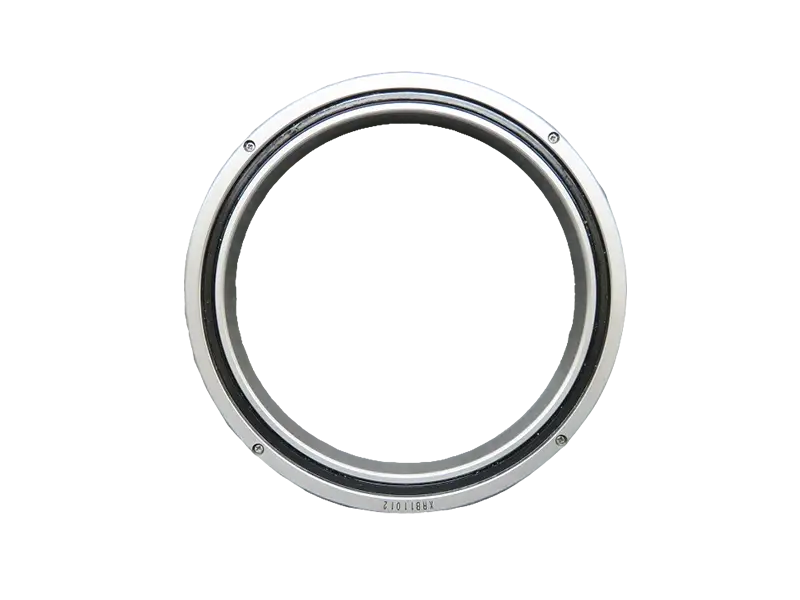
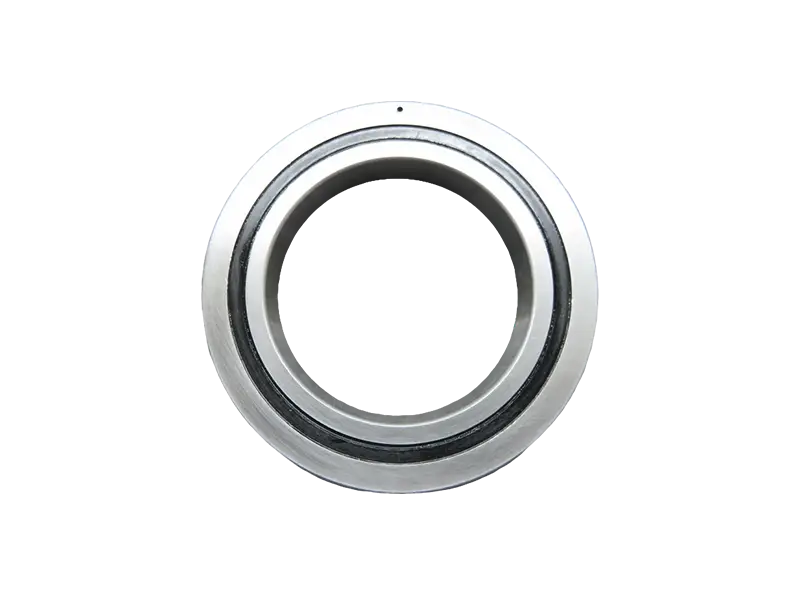
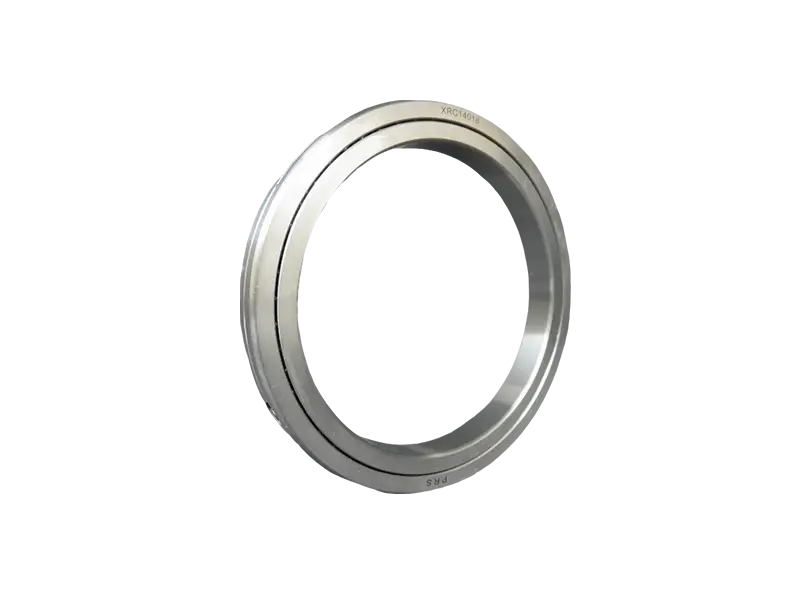
Crossed Roller Bearings Product Range

Browse our standard crossed roller bearing series with detailed dimensions and load ratings. Each model is manufactured under strict quality control to ensure consistent performance.
DSC_7484(1)
Features

Why Choose PRS Crossed Roller Bearings?

Our crossed roller bearings are engineered to outperform conventional bearing designs in demanding precision applications. Here are the key advantages that set PRS Bearing apart.

Multi-Directional Load Capacity

A single cross roller bearing simultaneously supports radial, axial, and moment loads, eliminating the need for multiple bearing combinations. This integrated design simplifies equipment structure while improving stability and reliability.

Exceptional Rigidity

Line contact between the cylindrical rollers and raceways distributes loads evenly, delivering outstanding rigidity with minimal deformation. This ensures stable performance in high-precision and heavy-duty applications.

Superior Rotational Accuracy

Precision-ground raceways and accurately positioned rollers provide smooth, highly accurate rotation with extremely low runout. The result is reliable positioning for demanding automation and precision machinery.

Compact, Space-Saving Design

The slim cross-sectional profile combines high load capacity with a compact footprint, making cross roller bearings the ideal solution for applications where installation space is limited.

Smooth, Low-Friction Performance

Integrated spacers prevent roller interference and maintain consistent roller alignment, reducing friction and rotational torque for smooth, energy-efficient motion and enhanced operating precision.

Extended Service Life

Manufactured from premium bearing steel with advanced heat treatment and precision machining, cross roller bearings deliver outstanding wear resistance, long-term durability, and reduced maintenance costs.

Easy Installation

Optimized ring structures and optional mounting holes simplify assembly, shorten installation time, and reduce equipment integration costs for OEMs and machine builders.

Excellent Overturning Moment Resistance

The unique 90° crossed roller arrangement provides exceptional resistance to overturning and tilting forces, ensuring greater structural stability under complex operating conditions.

Applications Industries

Crossed Roller Bearings Applications Across Industries

From precision robotics to heavy-duty rotary tables, PRS crossed roller bearings excel in environments where accuracy and durability are non-negotiable. Explore typical use cases below.

Industrial Robots

Used in joint and wrist rotation axes to provide high rigidity and repeatable positioning for assembly, welding, and material handling.

CNC Machine Tools

Ideal for rotary tables and indexers where low runout and high load capacity ensure machining precision.

Medical Imaging Equipment

CT scanners and MRI systems benefit from the smooth, vibration-free rotation of crossed roller bearings.

Defense & Aerospace

Radar pedestals, turrets, and satellite positioning mechanisms rely on the reliability of crossed roller slewing bearings.

Selection Guide

How to Select the Right Crossed Roller Bearing

Choosing the correct crossed roller bearing involves evaluating load, speed, accuracy, and environmental factors. Follow this concise guide to make an informed decision for your application.

Analyze the dominant forces your bearing will encounter: radial, axial, or combined loads.
1)Standard High Loads: A single-row cross-roller bearing is perfect for standard high-load, combined-force applications.
2)High-Moment Applications (e.g., Robot Wrists/Joints): We strongly recommend upgrading to a double-row cross-roller bearing to deliver double the resistance against tilting and overturning moments.

Match your equipment’s motion profile with the correct ISO/JIS tolerance class.
1)Optical Positioning & Precision Metrology: You must specify P2 or P4 grade ultra-precision tolerances to ensure near-zero radial and axial runout.
2)General Automation & Conveyances: Standard precision classes are sufficient, perfectly balancing cost and performance.

Rotational velocity and environmental hazards dictate your internal cage architecture and lubrication strategy:
1)High-Speed Operations: Opt for metal cages due to their excellent wear resistance and rapid thermal dissipation. These require dedicated lubrication and cooling loops.
2)Lower Speeds with Contamination Risks: Polymer cages are highly recommended, offering superior shock absorption and self-lubrication properties.

Assess ambient temperature, humidity, and particulate exposure to select the right defense mechanism:
1) Dusty or Humid Environments: Integrated rubber seals are mandatory to prevent fine particulates from penetrating the raceway.
2) Extreme Conditions (e.g., Food Processing, Cleanrooms): Request corrosion-resistant plating (such as specialized electroplating) paired with cleanroom-certified synthetic greases.

Cross-reference the PRS Bearing dimension chart to perfectly align the bore size and outer diameter (OD) with your existing shaft and housing limitations.
1) Note: If standard catalog dimensions do not fit your envelope constraints, the PRS Engineering Team can design fully customized solutions with industry-leading short lead times.

FAQ

Crossed Roller Bearing FAQs

To help you optimize your precision machinery designs, the PRS Bearing engineering team has answered the most common questions regarding the application, maintenance, and mechanics of crossed roller bearings.

What makes a cross-roller bearing unique compared to a standard ball bearing?

The defining feature is its internal geometry. In a cross-roller bearing, cylindrical rollers are arranged orthogonally (at 90-degree alternating angles) relative to each other within a single V-groove raceway.
As shown in the image above, this alternating linear contact pattern allows a single cross-roller bearing to absorb radial, axial, and high overturning moment loads simultaneously. In contrast, traditional ball bearings rely on point contact, requiring multi-bearing configurations to match the same multi-axis load capacity and rigidity.

How do cross roller bearings differ from ball bearings?

Unlike ball bearings, which provide point contact, cross roller bearings feature line contact between the rollers and raceways. This allows them to carry heavier loads, achieve higher rigidity, and deliver superior rotational accuracy, especially in applications subject to combined loads.

Are cross roller bearings suitable for high-precision equipment?

Absolutely. Their precision-ground raceways, optimized roller arrangement, and high rigidity provide excellent rotational accuracy and low runout, making them ideal for precision positioning systems and high-end automation equipment.

What is a cross roller bearing?

A cross roller bearing is a precision bearing that uses cylindrical rollers arranged alternately at 90° between the inner and outer rings. This unique design enables a single bearing to support radial, axial, and moment loads simultaneously while providing exceptional rigidity and rotational accuracy.

Can one cross roller bearing replace multiple conventional bearings?

Yes. Because a cross roller bearing can simultaneously support radial, axial, and moment loads, it can often replace several conventional bearings. This simplifies machine design, reduces assembly complexity, and saves installation space.

What materials are used to manufacture cross roller bearings?

Most cross roller bearings are manufactured from high-quality bearing steel, such as GCr15 or equivalent chrome steel, with precision heat treatment for enhanced hardness, wear resistance, and fatigue life. Stainless steel versions are also available for corrosive or cleanroom environments.
CONTACT US
Talk to an expert
Share your requirements and we’ll help you find the right solution for your business.

    Get a quick quote

    We typically confirm within 24 hours.