

Thin section bearing noise is a symptom that demands attention, not just an annoyance. In high-precision applications, the subtle whine or rumble from a bearing can signal a cascade of future failures, leading to costly downtime or compromised system performance. Pinpointing the root cause—whether from contamination, inadequate lubrication, or misalignment—is essential for a durable fix. This guide explores the most common culprits and offers systematic approaches to silence problematic bearings. Drawing on deep engineering expertise, PRS provides advanced bearing solutions tailored to eliminate noise and extend service life in demanding environments.
An Overview of Thin Section Bearings
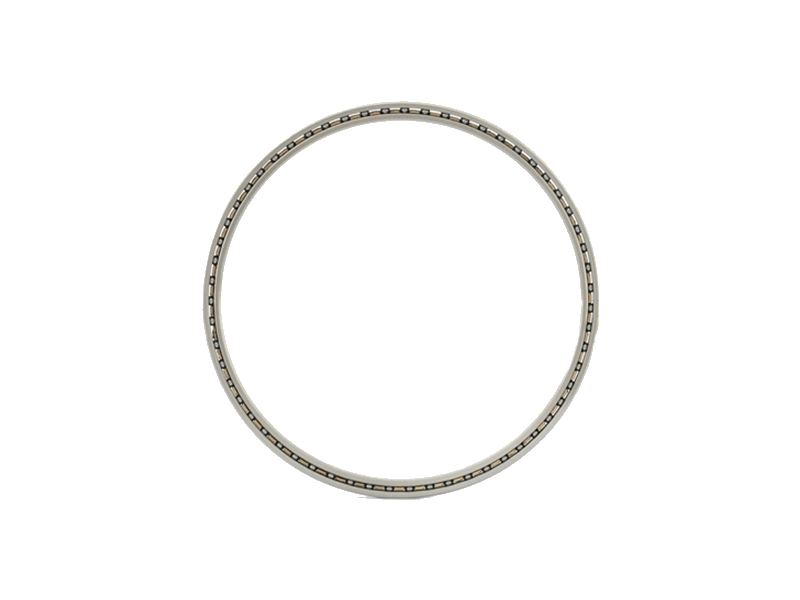
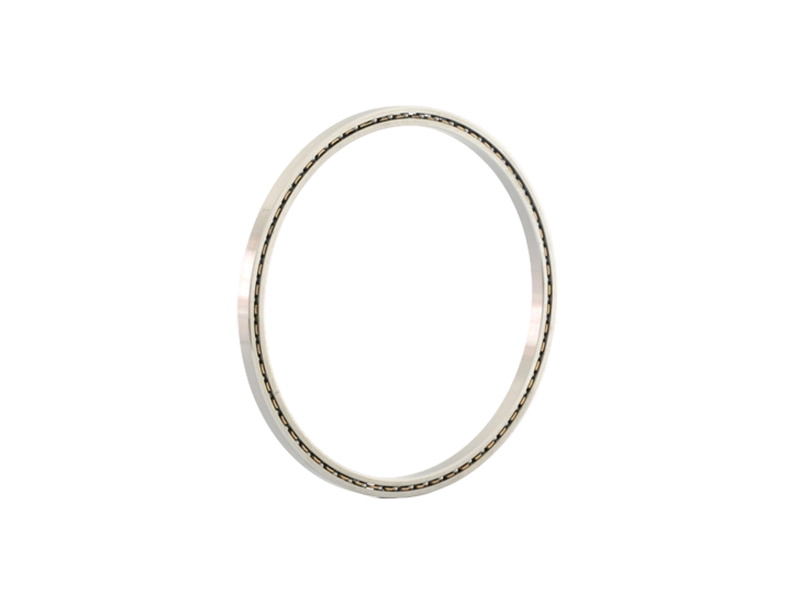
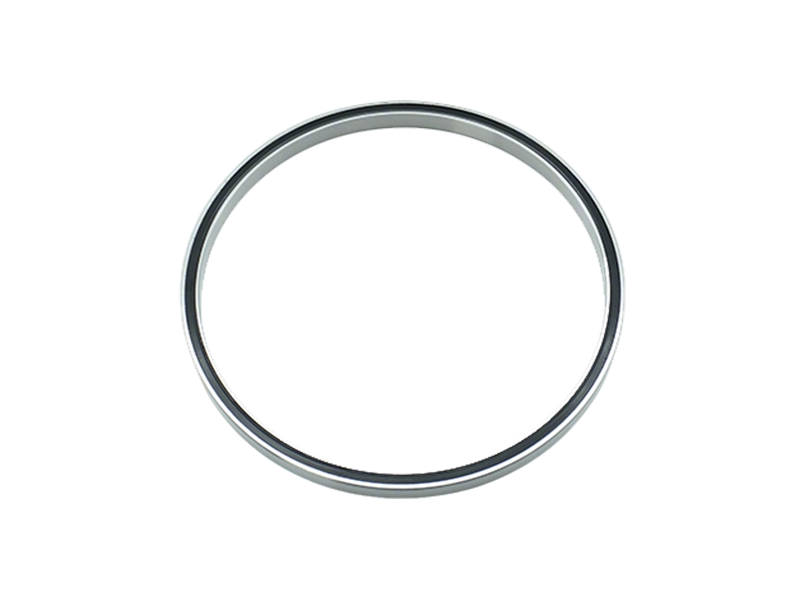
Thin section bearings are designed with a small cross-section relative to their bore diameter, making them ideal for applications where space is limited and weight reduction is critical. Unlike standard bearings, these components often run at higher speeds with lower torque, which makes them sensitive to even minor imperfections. Noise is usually generated when the rolling elements interact with the raceways in an irregular way. That irregularity can stem from the bearing itself or from external operating conditions. Understanding this interaction is the first step toward diagnosing and correcting the problem.
Top Causes of Thin Section Bearing Noise
Here are the most frequent reasons why thin section bearings start making noise. Each cause requires a different corrective action.
1. Inadequate or Deteriorated Lubrication
Lubrication forms the crucial separating film between rolling elements and raceways. When the film breaks down or the lubricant becomes contaminated, metal-to-metal contact occurs. This contact produces a high-frequency squeal or whistling sound. If the noise is accompanied by increased temperatures, the grease or oil is likely depleted or incompatible with the operating conditions. Regular relubrication with the correct type of grease can be an effective short-term fix, but ongoing noise after relubrication suggests a deeper issue.
2. Contamination and Particulate Ingress
Thin section bearings are especially vulnerable to contamination because of their compact geometry. Dirt, grinding debris, or moisture can easily enter the bearing if seals are compromised. Particles create indentations on the raceways, causing vibration and a noisy rumble or ticking. In clean environments, the problem often appears after installation or maintenance, so check sealing and cleanliness protocols. Installing new bearings without cleaning the housing or shaft can also introduce harmful particles from the start.
3. Incorrect Mounting and Alignment
Mounting misalignment is a frequent source of steady, grinding or rattling noise. When the bearing rings are skewed or the shaft is out of tolerance, the load is distributed unevenly across the rolling elements. This results in localized stress and accelerated wear. Thin section bearings are particularly sensitive to housing roundness and shaft straightness, as their cross-section is flexible. Always measure the seating surfaces, use appropriate arbor presses, and never drive the bearing directly with a hammer. Misalignment can be verified by checking the contact pattern on a removed bearing.
4. Fretting and False Brinelling
Fretting wear occurs at the interface between the bearing rings and its supports due to oscillatory micro-movements. It presents as reddish or black wear debris and produces a low, continuous series of impacts or clicks. False brinelling, on the other hand, appears when a stationary bearing is subjected to vibration, pushing lubricant away and creating elliptical markings on the raceway. The bearing surface becomes wavy, generating noise during operation. For lightly loaded thin section bearings, this is a common failure mode in transport or standby equipment.
5. Fatigue and Spalling
As the bearing ages, the raceways may begin to micro-crack and flake, a process called spalling. This creates a repeating low-frequency rumble or thump that increases in amplitude over time. While fatigue is a natural result of exceeding the L10 life, premature spalling is usually caused by overloading, poor lubrication, or excessive preload. Once spalling has started, it cannot be reversed; the bearing should be replaced.
Diagnosing the Noise Signature
Accurate diagnosis starts by listening to the frequency and pattern of the noise. High-frequency whistling usually points to lubrication failure. A steady low-frequency rumble often indicates wear or contamination. Periodic clicking or tapping may stem from a localized defect on a rolling element or raceway. For an objective assessment, use vibration analysis tools to identify the bearing defect frequency. Compare the measured vibration with the bearing’s geometric dimensions to locate the faulty component. This information is invaluable in deciding whether to lubricate, adjust, or replace the bearing.
Proven Fixes and Prevention Strategies
Implementing the right corrective measures can restore quiet operation and prevent recurrence. The following strategies address mechanical, operational, and design-level factors:
- Optimize lubrication: select the correct viscosity and amount of lubricant for the operating speed and temperature. For high-speed thin section bearings, precision lubrication should be applied regularly.
- Tighten sealing and filtration: inspect and replace seals if there are signs of contamination. Use shielded or sealed versions where ambient conditions are dusty.
- Control mounting tolerances: verify shaft and housing fits, and check roundness before installation. Apply a thin even layer of grease during mounting to ensure initial lubrication.
- Adopt proper preload: excessive preload creates noise and heat, while insufficient preload allows slippage and wear. Follow the manufacturer’s specification for optimal axial play.
- Use a premium thin section bearing: quality differences in steel cleanliness, raceway finishing, and cage design have a direct effect on noise and vibration.
Why Choose PRS Thin Section Bearings
PRS designs and manufactures thin section bearings with a focus on low noise and long service life. The internal geometry is optimized through advanced computer simulation and precision grinding. By using specially selected steel and high-stability cages, PRS bearings reduce vibration levels significantly. For industries ranging from robotics and medical devices to aerospace and semiconductor equipment, PRS delivers a drop-in solution that minimizes noise and reliability issues. Engineers at PRS also offer technical support to help identify the root cause of bearing noise and recommend the exact bearing model for your application. Moreover, PRS conducts rigorous quality testing on every batch, ensuring consistent running accuracy and quietness in production.
Frequently Asked Questions
Can bearing noise be a sign of immediate failure?
Yes, in some cases. A sudden change from quiet to loud operation often indicates severe spalling or contamination. While a bearing may still rotate, continued operation can lead to seizure or catastrophic damage. It is safer to investigate the noise as soon as it is detected.
How often should a thin section bearing be re-lubricated?
It depends on the speed, temperature, and operating environment. In clean, moderate-speed applications, a monthly or quarterly schedule may suffice. For high-speed uses, a continuous or automated lubrication system is recommended. PRS provides maintenance guidelines for each bearing series.
Conclusion
Thin section bearing noise is never random; it always points to an underlying condition. By understanding the causes—ranging from lubrication degradation and contamination to improper mounting and fatigue—you can take effective action to restore quiet performance. Regular inspection, correct handling, and selecting a premium bearing from a trusted manufacturer like PRS will ensure that your equipment runs smoothly and reliably. Do not ignore the warning signs; address the root cause and elevate the operational health of your machinery.