




bg-image

Thin Section Ball Bearings – Precision Engineered by PRS Bearing

Discover PRS Bearing's extensive line of thin section ball bearings, engineered for applications demanding compact design, low weight, and high precision. From standard stock items to custom solutions, we deliver reliability across industries.

Overview

Thin-Section Ball Bearings

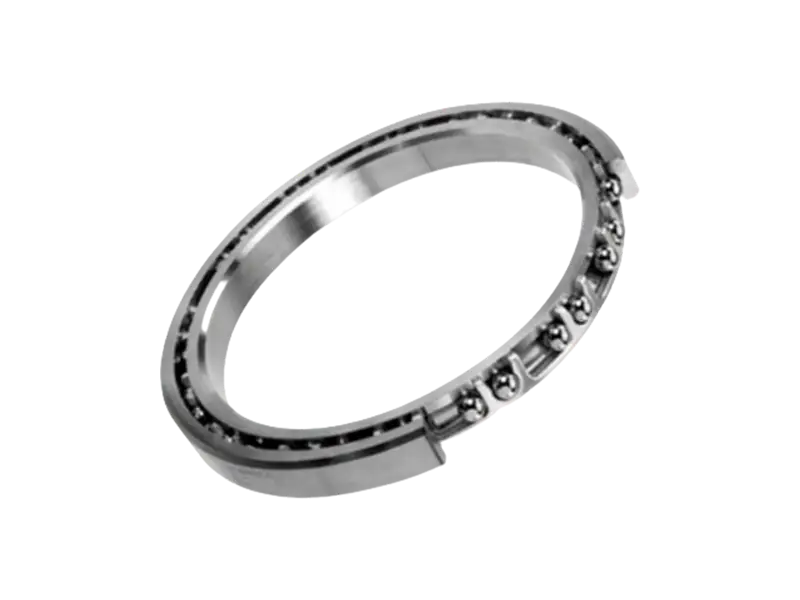
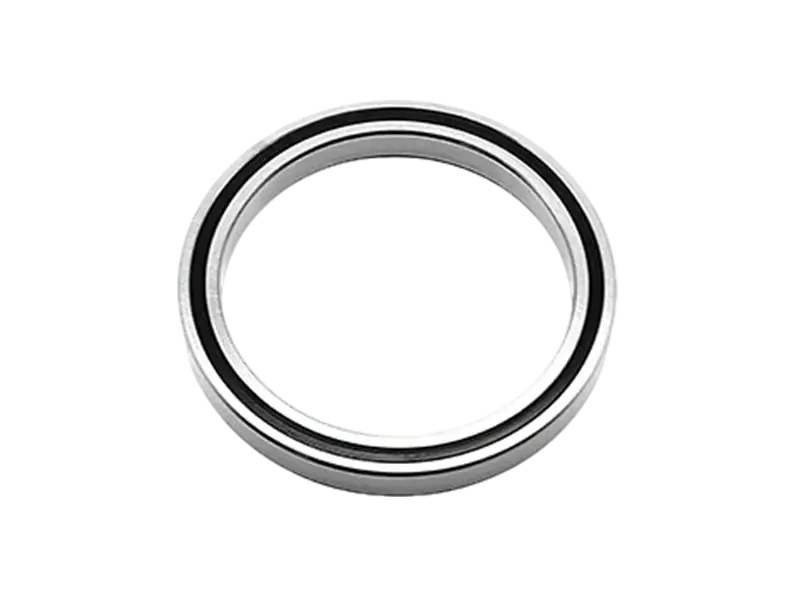
Thin section ball bearing adopts a "fixed cross-sectional size" design concept, which drastically reduces space occupation and weight while perfectly preserving high rigidity and high precision performance.

Want to know how to choose deep groove ball, angular contact, or four-point contact thin section ball bearing based on your machine structure?

Ultimate Space Optimization & Lightweighting

The constant, ultra-thin cross-section minimizes both radial and axial space requirements, significantly reducing overall system weight while freeing up vital room for internal wiring and structural components.

Superior Rotational Accuracy & Low Friction

Engineered with micron-level precision raceways and optimized internal geometries, these bearings deliver extremely low running torque and ultra-quiet operation, satisfying the strict smoothness requirements of sensitive optical and measuring instruments.

Flexible Adaptation to Complex Multi-Axis Loads

Available in radial contact (deep groove), angular contact, and four-point contact configurations, allowing a single bearing solution to be tailored to handle pure radial, bi-directional axial, or severe combined overturning moments.

Proven Reliability Across Critical High-Tech Fields

Due to their specialized high-rigidity matrix, they serve as the trusted default choice for industrial robotic joints, medical surgical arms, semiconductor wafer-handling systems, and aerospace defense platforms.

PRODUCTS

Our Thin Section Ball Bearing Product Range

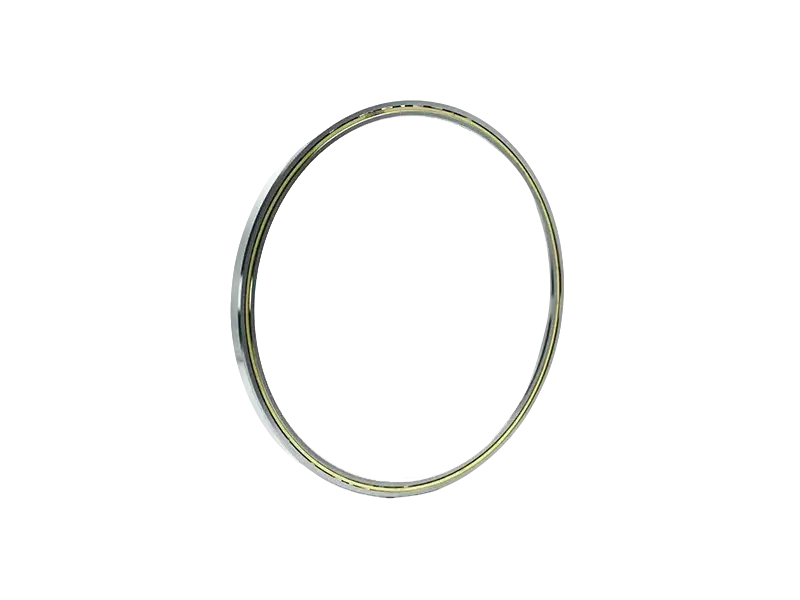
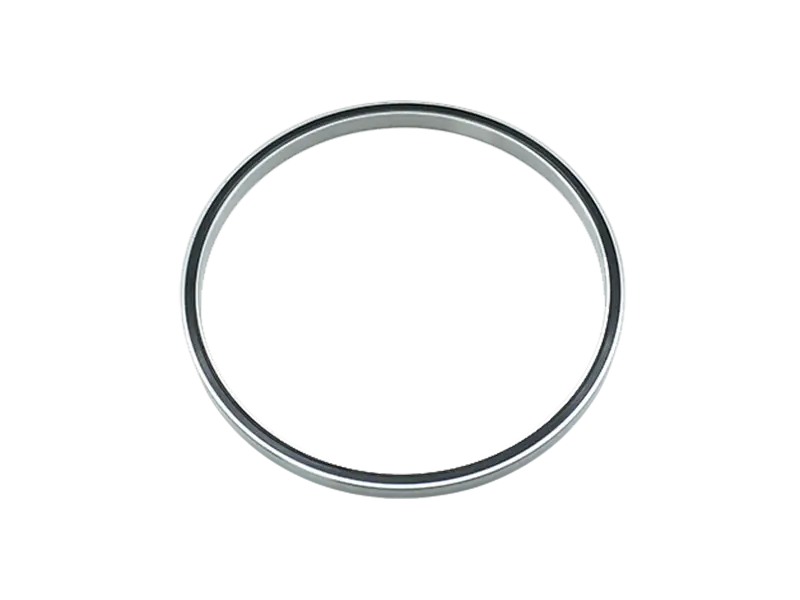
Explore our comprehensive selection of thin section ball bearings, available in open, shielded, and sealed configurations. Each bearing is manufactured to tight tolerances and meets international quality standards.
Features and Advantages

A safer sourcing process

PRS thin section ball bearings are designed to save space and reduce weight while maintaining high load capacity and rotational accuracy. Discover the key benefits that make them ideal for demanding applications.

Ultra-thin cross-section

Engineered with an exceptionally slim cross-section, ultra-thin bearings help reduce housing size, lower overall assembly weight, and maximize design flexibility for space-constrained equipment.

High rigidity

Optimized raceway geometry and precision manufacturing deliver outstanding stiffness with minimal deflection, ensuring stable positioning and repeatable accuracy in demanding applications.

Low friction torque

Super-finished raceways and advanced cage designs minimize friction torque, reducing heat generation, lowering energy consumption, and enabling smoother, more reliable operation.

High-speed capability

Designed for fast, continuous rotation, ultra-thin bearings maintain excellent running stability and accuracy at high operating speeds when paired with proper lubrication and installation.

Multiple sealing options

Choose from open, metal shielded (ZZ), or rubber sealed (RS) configurations to protect against dust, moisture, and contaminants while meeting the needs of different operating environments.

Corrosion resistance

Available in corrosion-resistant coated steel or premium stainless steel materials, these bearings provide dependable performance in humid, chemical, washdown, and cleanroom environments.

Precision grades

Manufactured to internationally recognized accuracy standards, including ABEC and ISO precision classes, to support everything from general industrial equipment to high-precision automation systems.

Lightweight design

The lightweight design reduces system inertia and improves motion efficiency, making ultra-thin bearings an excellent choice for robotics, aerospace, medical devices, semiconductor equipment, and other high-performance applications.

Applications

Wide Applications of Thin Section Ball Bearings

PRS thin section ball bearings are trusted across industries requiring compact, lightweight, and precise rotational motion. From robotic arms to satellite mechanisms, our bearings deliver consistent performance.

Robotics & Automation

Joints and wrists of collaborative robots, SCARA arms, and gantry systems benefit from low inertia and high stiffness.

Aerospace & Defense

Actuators, control surface hinges, and navigation gimbals require thin section bearings to meet strict weight and reliability targets.

Medical Equipment

CT scanners, MRI tables, surgical robots, and dental handpieces rely on our bearings for smooth, quiet operation.

Semiconductor Manufacturing

Wafer handling robots, lithography stages, and inspection tools use thin section bearings to maintain cleanliness and precision.

Machine Tools

Indexing tables, rotary axes, and spindle supports gain space savings without sacrificing load capacity.

Measurement & Inspection

Coordinate measuring machines (CMMs) and roundness testers require low-friction, high-accuracy bearings.

Selection Guide

How to Choose the Right Thin Section Ball Bearing

Selecting the correct thin section ball bearing involves evaluating load, speed, space, and environmental conditions. Our step-by-step guide helps you make an informed decision.

Calculate the radial and axial loads acting on the bearing. For combined loads, consider four-point contact or angular contact designs.

For high-speed applications (above 3000 RPM), choose a deep groove or angular contact bearing with a precision of ABEC 5 or higher. For indexing applications, ABEC 1 is usually sufficient.

Measure the housing bore and shaft diameter. Thin section bearings are ideal when space is limited – refer to our dimension table for standard sizes.

Use shielded (ZZ) for clean environments, sealed (2RS) for dust or moisture, or open (for high-speed where relubrication is needed).

Pressed steel cage for general use, machined brass for high temperature/high speed, PEEK for lightweight and chemical resistance.

Grease with lithium-based soap for standard applications; oil mist or jet lubrication for very high speeds. PRS offers pre-greased options with various grease types (KT, LL, etc.).

For corrosive or high-temperature environments, specify stainless steel or hybrid bearings with ceramic balls.

Ensure shaft and housing tolerances (e.g., h6 for rotating shaft, J6 for housing) to achieve proper preload and clearance.

FAQs

Thin Section Ball Bearing FAQs

To assist engineering and design teams in optimizing compact, high-precision motion systems, the PRS Bearing technical team has compiled answers to the most frequently asked questions regarding thin-section ball bearings.

What is a thin section ball bearing?

A thin section ball bearing is a precision bearing designed with a cross-section that remains constant regardless of bore diameter. Its compact, lightweight design saves installation space while providing smooth rotation, high accuracy, and reliable load capacity for applications where weight and space are critical.

What types of loads can thin section ball bearings support?

Depending on the bearing design, thin section ball bearings can support radial loads, axial loads, or a combination of both. Four-point contact designs can also accommodate moment loads, making them suitable for precision rotary applications.

What materials are available for thin section ball bearings?

Standard bearings are manufactured from high-quality chrome steel (GCr15/52100). Stainless steel versions are available for corrosion-resistant environments, while ceramic or hybrid ceramic bearings are ideal for high-speed, low-friction, and electrically insulated applications.

What precision grades are available?

Thin section ball bearings are commonly available in ABEC-1, ABEC-3, ABEC-5, ABEC-7, and ABEC-9 (or ISO P0, P6, P5, P4, and P2) precision grades. Higher precision grades provide improved rotational accuracy and positioning performance for demanding applications.

What are the main advantages of thin section ball bearings?

Thin section ball bearings offer several key benefits, including compact dimensions, reduced weight, high rotational accuracy, low friction, and excellent rigidity. They also help simplify equipment design and improve overall system efficiency.

What industries commonly use thin section ball bearings?

These bearings are widely used in industrial robots, medical equipment, semiconductor manufacturing, aerospace systems, optical instruments, packaging machinery, CNC equipment, automation systems, and rotary tables.

Can thin section ball bearings be customized?

Yes. We provide OEM and custom manufacturing services, including custom dimensions, materials, precision grades, seals, lubrication, preload options, and special surface treatments to meet specific application requirements.

How do I choose the right thin section ball bearing?

Selection depends on several factors, including load type, operating speed, available installation space, accuracy requirements, environmental conditions, lubrication method, and expected service life. Our engineering team can recommend the most suitable bearing based on your application.
CONTACT US
Talk to an expert
Share your requirements and we’ll help you find the right solution for your business.

    Get a quick quote

    We typically confirm within 24 hours.