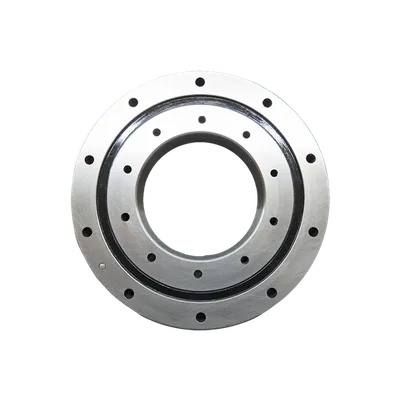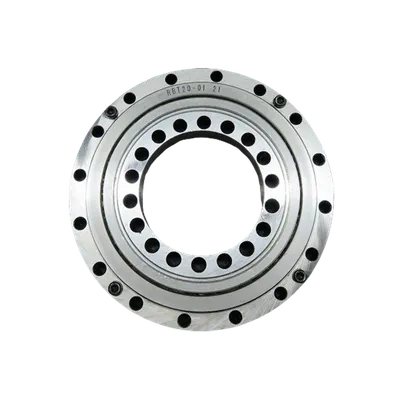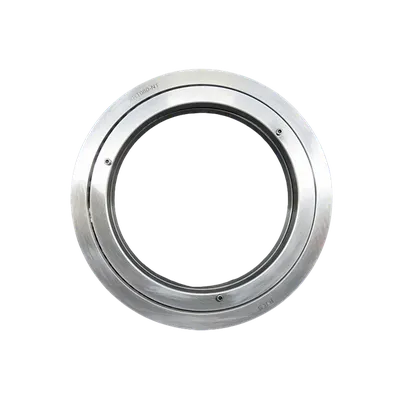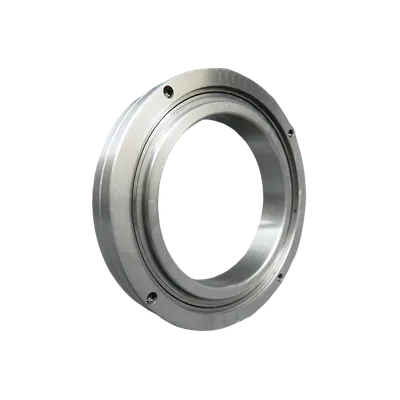
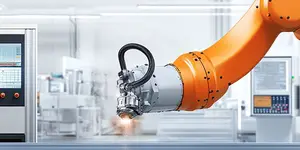
High-precision bearings are the cornerstone of modern industrial machinery, playing critical roles in applications that demand exceptional accuracy, reliability, and durability. From aerospace actuators and robotic arms to high-speed spindles in CNC machines and automated production lines, these bearings enable precision motion and reduce mechanical losses, directly impacting overall system performance. However, even the most advanced bearings face one subtle yet significant challenge: thermal expansion. When not properly managed, thermal expansion can compromise bearing accuracy, accelerate wear, and, in severe cases, lead to catastrophic equipment failures.
Thermal expansion arises when the materials used in bearings—commonly high-grade steel or advanced ceramics—experience temperature increases during operation. Friction, environmental heat, and proximity to other high-temperature components all contribute to this phenomenon. While metals and ceramics expand predictably with heat, in high-precision applications, even minute dimensional changes on the scale of a few micrometers can cause misalignment, uneven load distribution, and increased friction. For engineers, predictive maintenance teams, and production managers, understanding and mitigating thermal expansion is vital to ensure bearings operate consistently at peak performance.
Understanding the Mechanism of Thermal Expansion
Thermal expansion in bearings is more than a simple increase in size. When a bearing rotates at high speeds or supports heavy loads, friction between rolling elements and races generates heat, raising the temperature of both the bearing itself and its immediate surroundings. As the material heats, it expands in all dimensions, altering the internal clearance between the inner and outer rings. In high-precision bearings, these slight changes can significantly affect rotational accuracy, leading to vibrations, excessive wear, and additional stress on adjacent components such as shafts, housings, and couplings.
Complicating the matter further, temperature distribution within a bearing is rarely uniform. One section may heat faster than another, especially in high-speed spindles or asymmetric load applications, creating localized expansion that amplifies misalignment and stress. Over time, repeated thermal cycling can degrade bearing surfaces, reduce lubrication effectiveness, and shorten overall service life. Recognizing this mechanism is the first step toward implementing effective mitigation strategies.
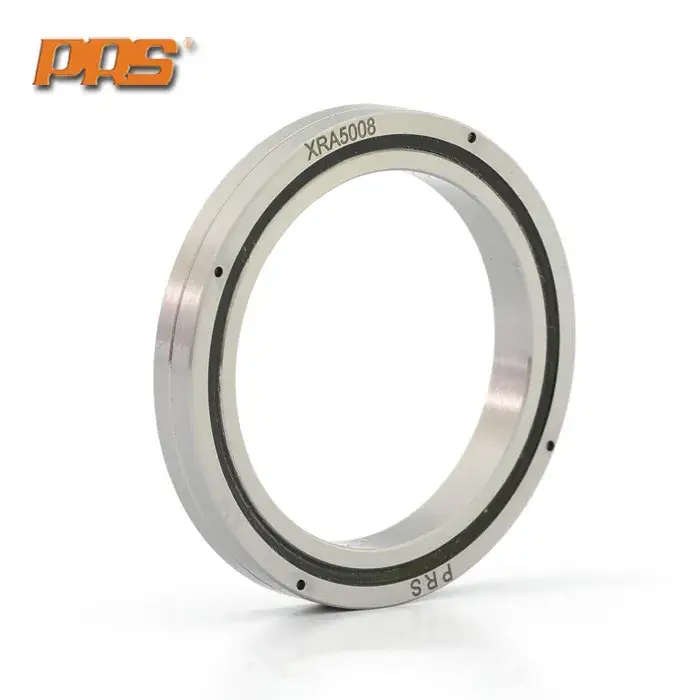
Proven Strategies to Minimize Thermal Expansion Effects
1. Advanced Material Selection and Engineering
Choosing the right bearing materials is one of the most effective ways to limit thermal expansion. Traditional steel bearings exhibit predictable thermal growth, but hybrid designs that combine ceramic rolling elements—such as silicon nitride—with steel races provide superior dimensional stability under heat. Ceramics have significantly lower coefficients of thermal expansion (CTE) compared to metals, meaning that bearings maintain internal clearances more consistently even during prolonged high-speed operation.
In addition, specialized bearing steels with refined alloy compositions and optimized heat treatments can further reduce thermal sensitivity. Selecting materials whose thermal expansion closely matches adjacent machine components helps prevent misalignment caused by differential expansion, maintaining system-wide accuracy and extending component lifespan.
2. Optimized Lubrication for Thermal Control
Lubrication is crucial not only for reducing friction but also for managing heat. High-performance synthetic lubricants designed for high-speed and high-temperature applications act as thermal buffers, dissipating heat more evenly across the bearing surfaces. Maintaining the correct lubricant viscosity is essential: too thick, and friction increases; too thin, and protective films fail under load. Implementing a tailored lubrication schedule and monitoring lubricant condition ensures that bearings operate within an optimal thermal range, minimizing expansion-related issues.
3. Precision Installation and Preload Management
Even the best materials and lubricants cannot compensate for poor installation. Improper mounting, excessive preload, or misalignment can exacerbate thermal stresses. Bearings that are too tightly fitted may overheat during operation, while those that are loosely mounted may experience micro-movements that accelerate wear. Following manufacturer-recommended tolerances and applying precise preload ensures that bearings maintain internal clearance, allowing them to accommodate minor thermal expansion without performance degradation.
4. Active Temperature Management Systems
In high-speed or thermally sensitive machinery, passive measures alone may not suffice. Active temperature management, including air or liquid cooling systems, heat sinks, and thermal shields, can prevent localized overheating and maintain uniform temperature distribution. Incorporating real-time temperature sensors enables predictive maintenance, allowing operators to adjust operating conditions before thermal expansion compromises performance. This proactive approach reduces unplanned downtime and ensures bearings function within safe thermal limits.
5. Design Considerations for Thermal Compensation
Mechanical design can play a crucial role in mitigating thermal expansion. Adjustable housings, expansion slots in surrounding components, and carefully calculated axial and radial clearances allow bearings to accommodate expected thermal growth. During the design phase, engineers can simulate thermal loads and identify areas prone to expansion, enabling preemptive structural adjustments that prevent misalignment. This approach not only preserves bearing integrity but also enhances overall machine reliability.
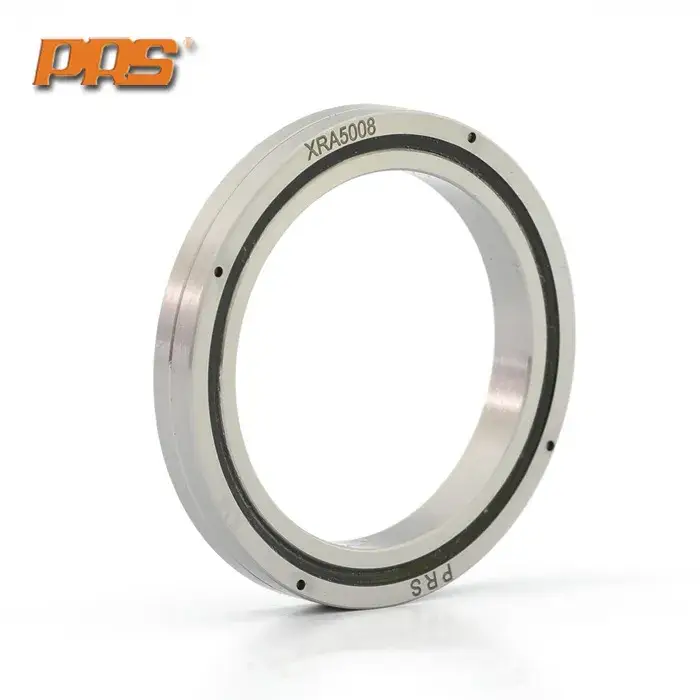
Long-Term Benefits of Controlling Thermal Expansion
By actively managing thermal expansion, manufacturers and maintenance teams can achieve tangible operational benefits:
Enhanced Accuracy and Performance: Bearings maintain precise rotational motion, reducing vibration and improving machining or motion control quality.
Extended Service Life: Minimizing wear and uneven stress reduces the frequency of replacements and lowers maintenance costs.
Reduced Downtime: Proactive thermal management prevents unexpected equipment failures, supporting continuous production.
Optimized ROI: Investment in high-quality materials, lubrication, and design improvements leads to higher productivity and lower lifecycle costs.
Ultimately, a bearing system that effectively addresses thermal expansion supports the long-term reliability and efficiency of high-precision machinery, from robotics and aerospace equipment to industrial automation systems.
Conclusion
Thermal expansion is an unavoidable physical phenomenon, but it does not have to be a limiting factor in bearing performance. Understanding its mechanisms and implementing a comprehensive mitigation strategy—through advanced material selection, optimized lubrication, precise installation, active temperature control, and thoughtful mechanical design—ensures that high-precision bearings deliver consistent accuracy, extended service life, and reliable operation under varying thermal conditions. For any organization relying on precision equipment, investing in these preventive measures is not just a matter of performance—it is a strategic decision that enhances efficiency, reduces downtime, and maximizes return on investment.