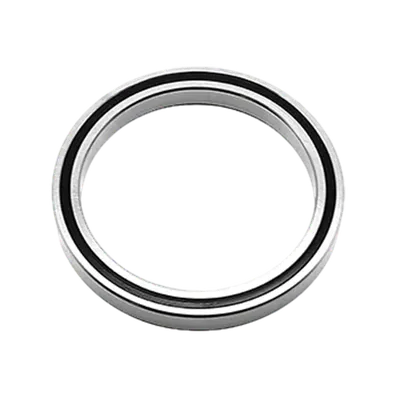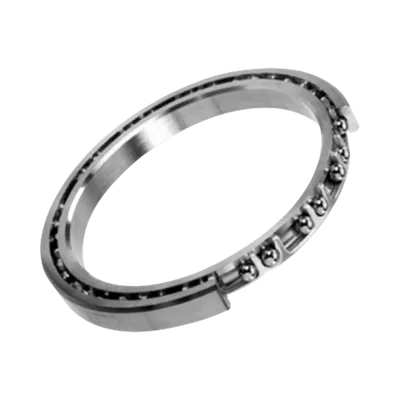

Thin-walled bearings with uniform cross-sections are widely used in the automotive, machinery, and industrial automation fields due to their lightweight structure and high load-bearing capacity. However, the noise generated during high-speed operation or long-term use can affect equipment performance and service life. This article will provide practical methods for reducing bearing noise from four aspects: lubrication, design optimization, material selection, and installation and commissioning, helping engineers and maintenance teams achieve quiet and reliable equipment operation.
1. Choose the Appropriate Lubrication Method
Lubrication is one of the most direct and effective ways to reduce bearing noise. For thin-walled bearings with uniform cross-section:
Grease Selection: It is recommended to use low-noise, high-viscosity synthetic grease, which can effectively reduce vibrations caused by rolling friction.
Lubricant Replenishment: For high-speed bearings, circulating lubrication or oil mist lubrication can be used to ensure that the lubricating film evenly covers the rolling elements and raceways.
Regular Maintenance: Replace lubricating grease in a timely manner to avoid increased metal-to-metal friction due to lubrication failure, which can generate noise.
Proper lubrication not only reduces noise but also reduces wear and improves the overall lifespan of the bearing.
2. Optimize Bearing Design
The structural design of a bearing directly affects its noise level. Design optimization can be approached from the following aspects:
Raceway Shape Optimization: By optimizing the curvature of the inner and outer ring raceways, the impact and vibration between the rolling elements and the raceways can be reduced.
Rolling Element Clearance Control: Appropriately adjust the clearance to avoid noise caused by collisions or loosening during bearing operation.
Vibration isolation design: Adding rubber or polyurethane pads to the bearing housing or mounting area can absorb some vibrations and reduce noise transmission.
Modern CAD/CAE technology can simulate bearing noise during the design phase, optimizing the structure in advance and reducing later adjustment costs.
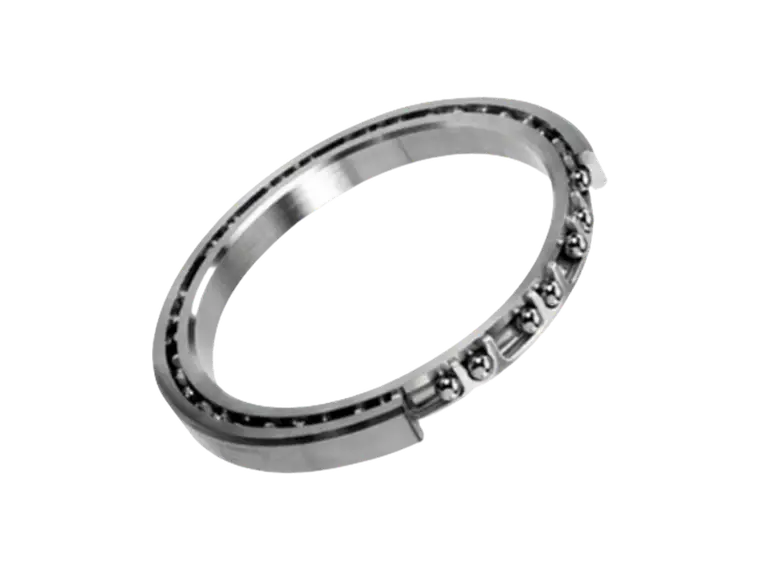
3. Material Selection and Machining Precision
Materials and manufacturing processes are also key factors affecting noise:
High-precision steel: Select bearing steel with high hardness and good wear resistance to reduce uneven rolling friction.
Surface treatment: Improve the surface finish of raceways and rolling elements through nitriding, carburizing, or ultra-precision grinding to reduce friction noise.
Lightweight materials: For high-speed applications, aluminum alloy or composite material bearings can reduce inertial impact, thereby reducing noise.
A balanced combination of machining precision and materials can significantly improve the smoothness and quietness of bearing operation.
4. Installation and Adjustment Precautions
Even high-quality bearings can generate noise if improperly installed. Key operations include:
Bearing housing alignment: Ensure the bearing axis is coaxial with the equipment axis to avoid eccentricity that causes vibration noise.
Correct preload: Too tight or too loose will increase friction or cause shaking; adjusting to the manufacturer's recommended preload is crucial.
Clean installation environment: Thoroughly clean the bearing and installation location before installation to prevent impurities from entering the raceway and causing impact noise.
Commissioning and Operation: During initial operation, the speed should be gradually increased, and vibration and temperature should be monitored. Lubrication and preload should be adjusted promptly.
Scientific installation and commissioning ensure the bearing operates in optimal condition, reducing noise at its source.
5. Conclusion
Reducing noise in thin-walled constant-section bearings requires a comprehensive approach: proper lubrication, optimized design, high-precision materials, and careful installation. Implementing these measures improves equipment working environment, extends bearing service life, and enhances operational efficiency.