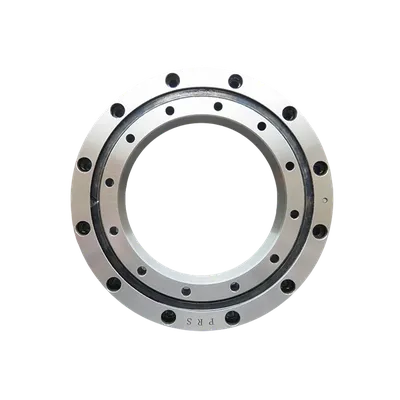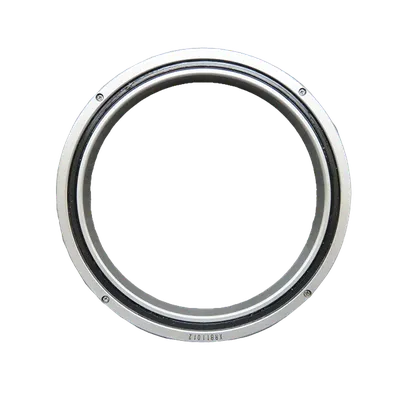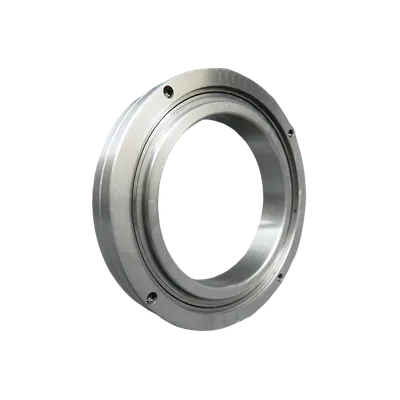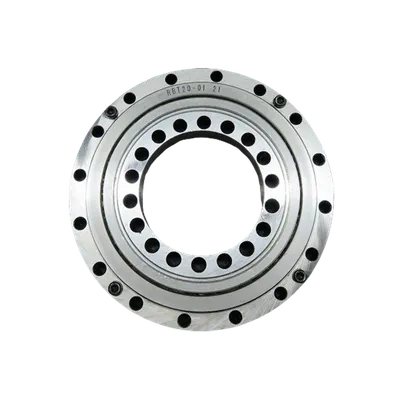

Crossed roller bearings are widely applied in industrial automation, precision machinery, robotics, medical devices, and high-accuracy machine tools. Their ability to sustain radial, axial, and moment loads while maintaining exceptional rigidity makes them indispensable in many engineering systems. However, these advantages only translate into peak performance when the bearings are installed and commissioned correctly.
Crossed Roller Bearing Installation and Commissioning Guide
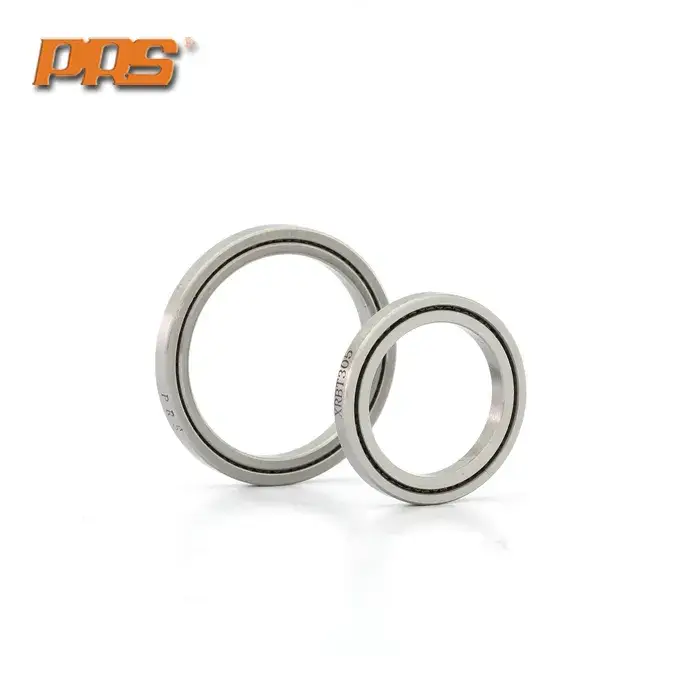
This guide provides a detailed, practical, and engineering-oriented explanation of each installation step, helping technicians avoid common mistakes and achieve long-term operational reliability.
1. Understanding the Structure and Function of Crossed Roller Bearings
Before installation begins, having a clear understanding of the bearing’s internal architecture is essential.
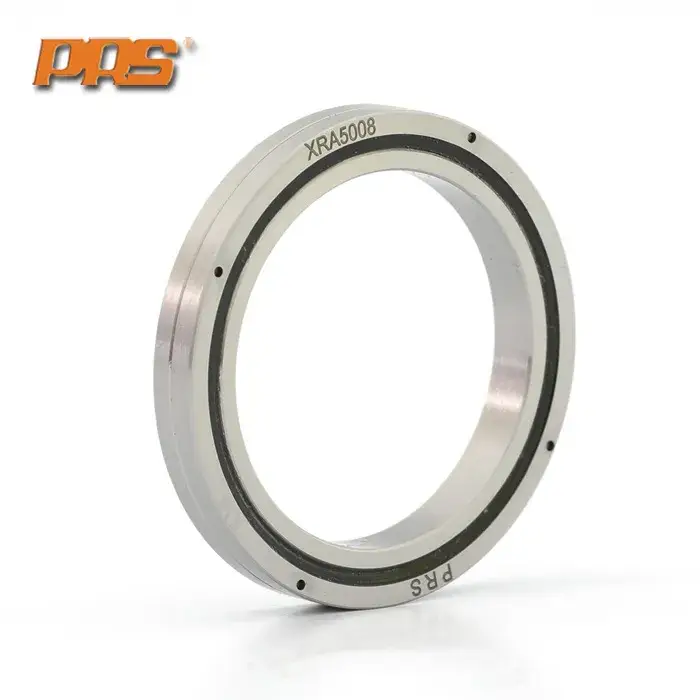
Crossed roller bearings consist of cylindrical rollers arranged alternately at 90° between the inner and outer rings. This unique configuration allows the bearing to handle complex loads from multiple directions while keeping rotational accuracy extremely high.
Key structural considerations include:
Roller orientation and alternating layout
Raceway geometry and clearance
Preload requirements
Lubrication channels or grease reservoirs
Familiarity with these elements helps installers avoid misalignment and insufficient preload—two of the most common causes of early bearing failure.
2. Preparation Before Installation
a. Inspection of Bearings and Mating Components
A meticulous pre-check ensures that no hidden defect compromises future performance.
Surface check: Inspect inner/outer rings and rollers for scratches, dents, oxidation, or deformation.
Dimensional confirmation: Verify the bearing designation, tolerance class, and inner/outer diameter compatibility with the shaft and housing.
Clean working environment: Remove dust, metal filings, cutting oil, or moisture from the installation site. Precision bearings are sensitive to contamination.
b. Required Tools and Materials
To guarantee accuracy and avoid physical damage, ensure the following tools are ready:
Clean, lint-free cloths
Micrometers, dial gauges, and feeler gauges
Soft mallet or hydraulic press
Manufacturer-recommended lubricants
Torque wrench for specific preload adjustments
Protective gloves and assembly fixtures
Adequate preparation significantly reduces risks during assembly and helps the bearing achieve its designed service life.
3. Step-by-Step Installation Procedure
Step 1: Mounting the Bearing onto the Shaft
Slide the bearing onto the shaft smoothly, ensuring the shaft chamfer is appropriate to avoid scratching the raceway.
If interference fitting is required, apply uniform pressure through a press—avoid striking the outer ring directly.
Keep the rollers correctly positioned to prevent internal skewing.
Confirm the bearing sits fully against the shaft shoulder.
Step 2: Installing the Bearing into the Housing
Align the housing with the bearing’s outer ring and press evenly until seated.
Check that axial positioning is correct; even slight misalignment can cause uneven loading and reduce bearing accuracy.
Verify that the outer ring sits fully and evenly against the housing shoulders.
Step 3: Preload Adjustment
Preload is critical for accuracy, rigidity, and vibration reduction.
Use shims, torque-controlled tightening, or spacing rings according to the bearing specifications.
A dial gauge can help measure rotational resistance and ensure preload uniformity.
Avoid excessive preload, which can elevate friction and temperature.
Proper preload adjustment directly impacts the bearing’s long-term precision and stability.
4. Lubrication: A Key Factor in Bearing Longevity
Lubrication prevents metal-to-metal contact and reduces heat generation.
Apply high-quality grease evenly around rollers and raceways before initial operation.
For high-speed systems, oil lubrication may provide better thermal management.
Follow manufacturer guidelines regarding lubricant type, fill quantity, and replenishment cycles.
Avoid over-greasing, which may lead to heat buildup.
Regular lubrication checks ensure the bearing continues performing efficiently over time.
5. Commissioning and Performance Testing
After installation, commissioning ensures that the bearing operates within normal parameters.
Rotate the shaft by hand to confirm smoothness and detect any unusual noise or vibration.
Perform a no-load run to observe rotation uniformity.
Gradually apply operating loads and monitor temperature, vibration, and noise trends.
Document preload values, torque readings, temperature curves, and any anomalies for future maintenance.
Proper commissioning helps identify potential installation problems before the machine enters full production.
6. Maintenance Tips for Extended Service Life
To maximize bearing performance and reduce unplanned downtime:
Keep the operating environment clean, especially in machining or dusty environments.
Periodically check preload and alignment to prevent wear caused by shifting components.
Monitor running temperature and vibration via predictive maintenance tools.
Replenish lubricant based on actual operating hours rather than calendar intervals.
Replace the bearing immediately if pitting, spalling, or discoloration appears.
A proactive maintenance strategy ensures consistent precision and dependable machine operation.
Conclusion
Proper installation and commissioning are fundamental to unlocking the full potential of crossed roller bearings. By following a structured approach—from detailed inspection and careful assembly to precise preload adjustment and thorough commissioning—technicians can significantly improve equipment stability, accuracy, and overall efficiency.
Investing time and expertise in these procedures today will help prevent costly downtime, enhance machine performance, and extend the bearing’s operational life in demanding industrial environments.