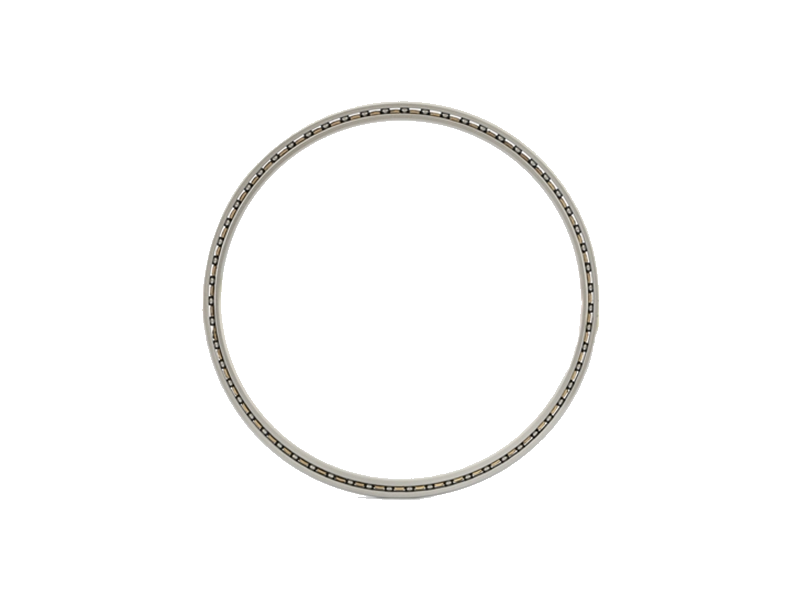
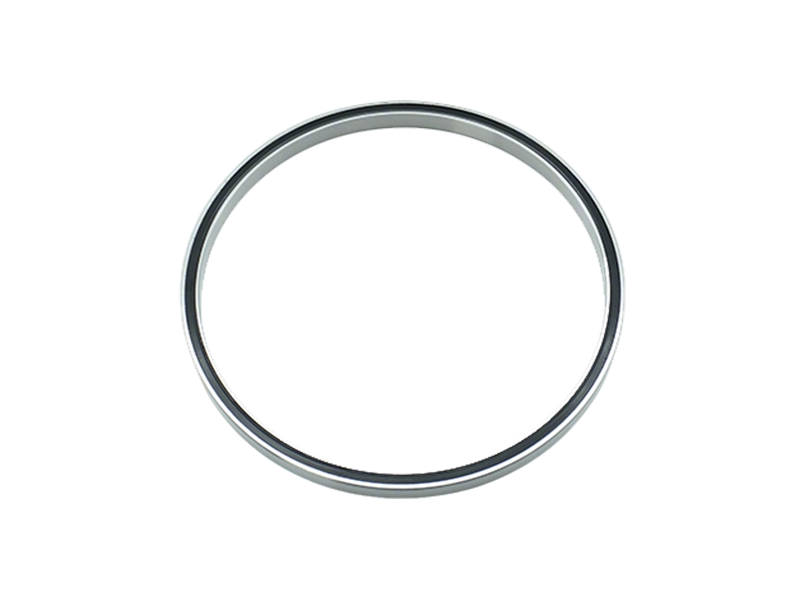
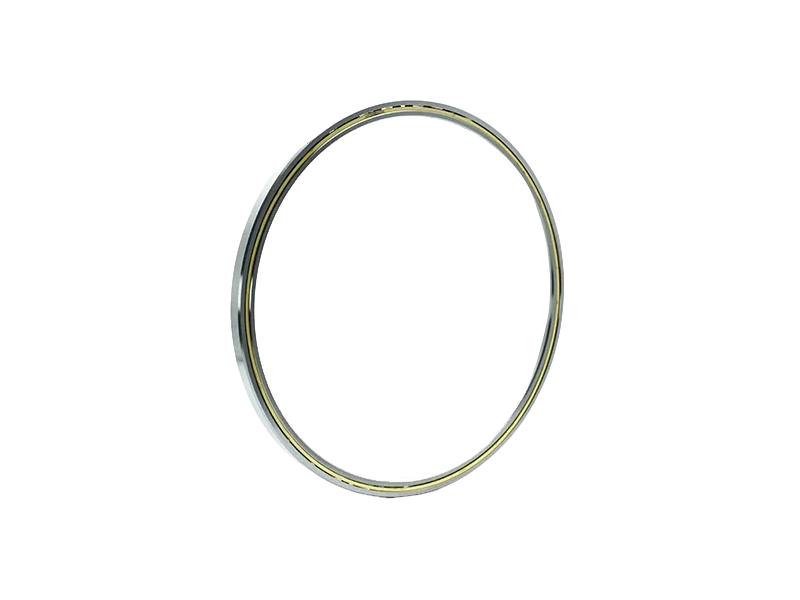
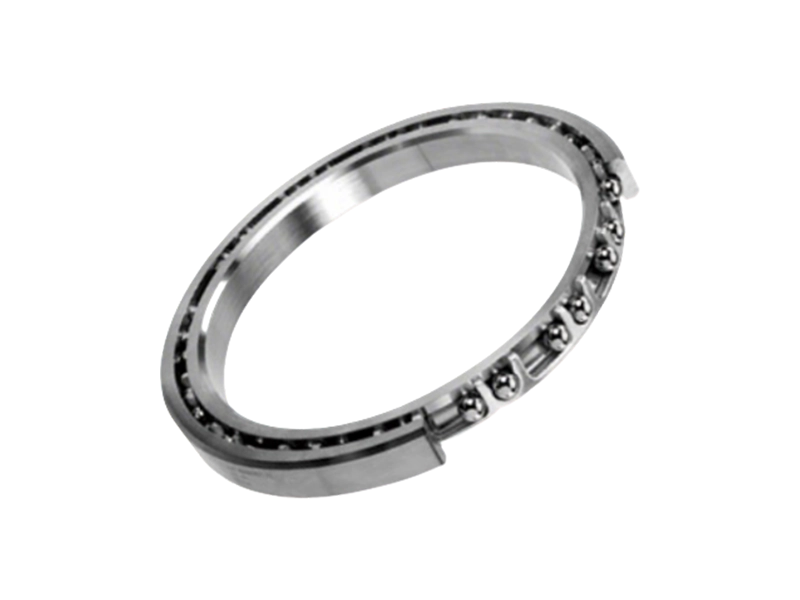
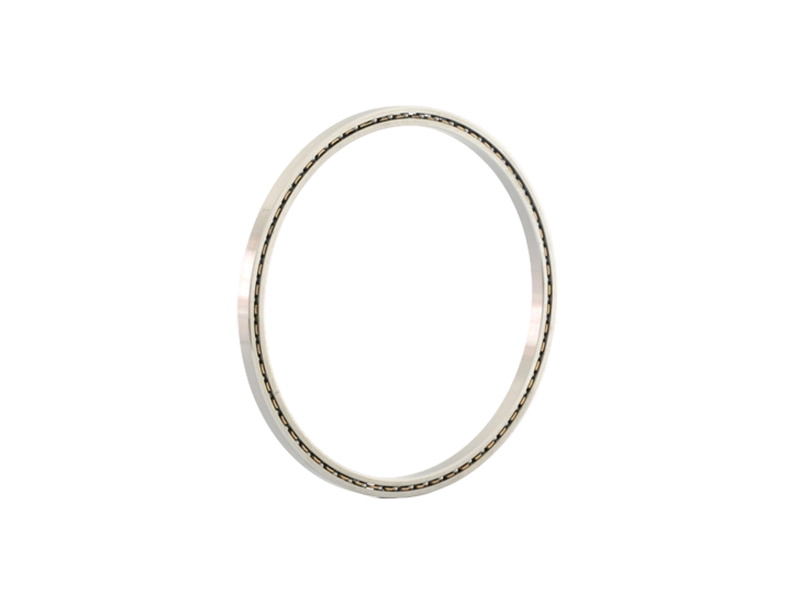
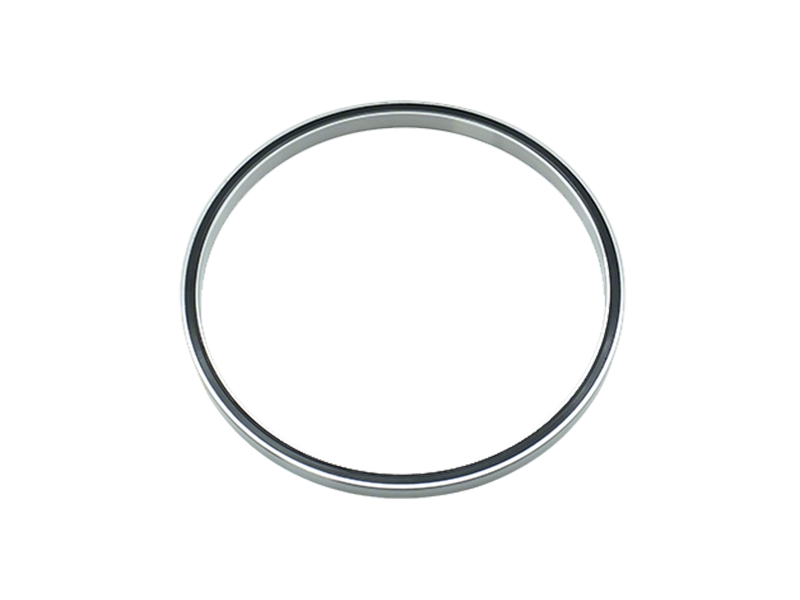
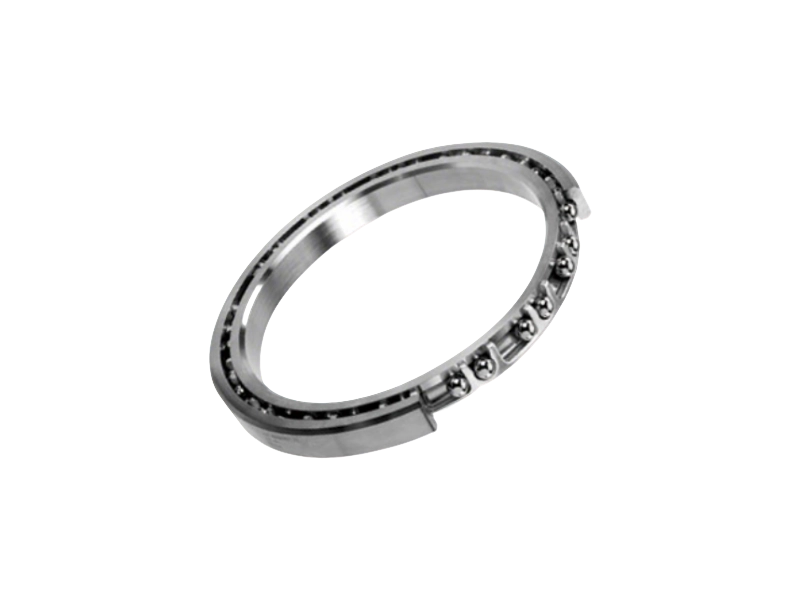
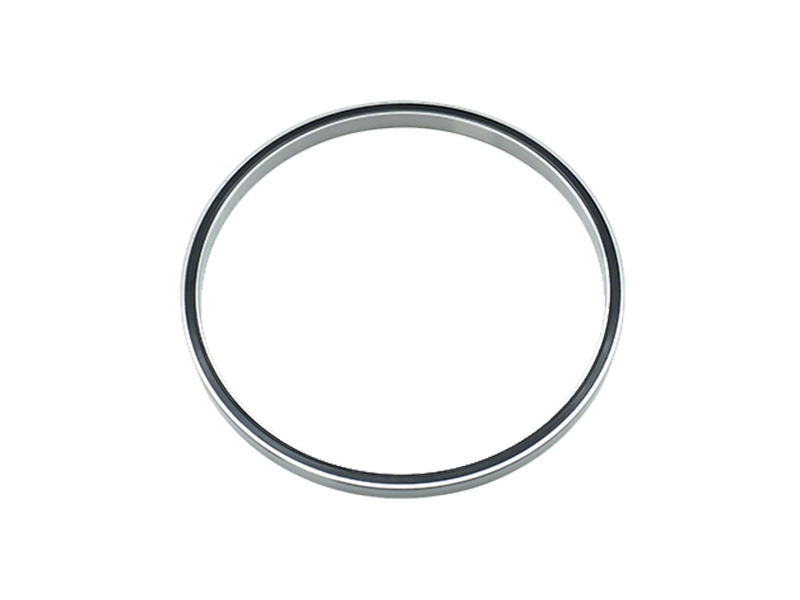
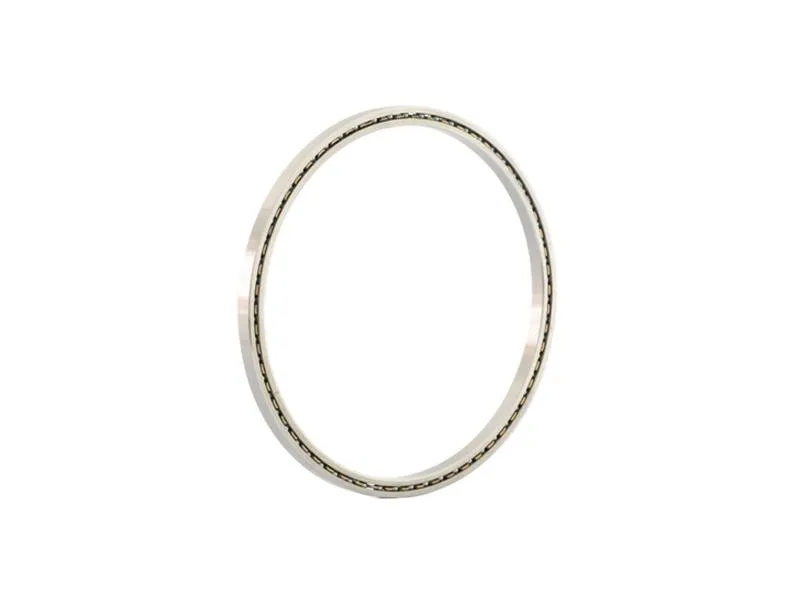
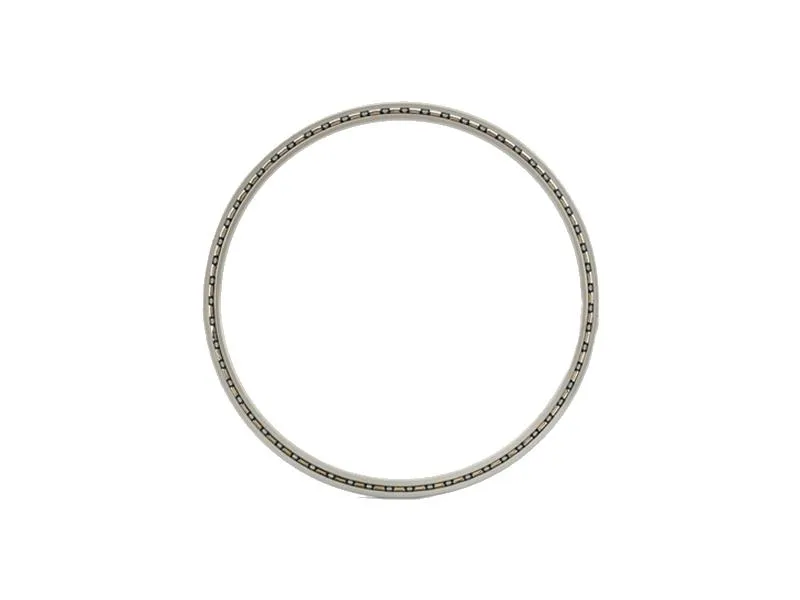
In modern mechanical design, thin-walled ball bearings are widely used in automated equipment, precision instruments, and high-end industrial machinery due to their lightweight, high strength, and space-saving characteristics. However, faced with numerous types of thin-walled ball bearings on the market, engineers and purchasing personnel often struggle to choose: which type is best suited for my equipment? What are their respective characteristics and advantages?
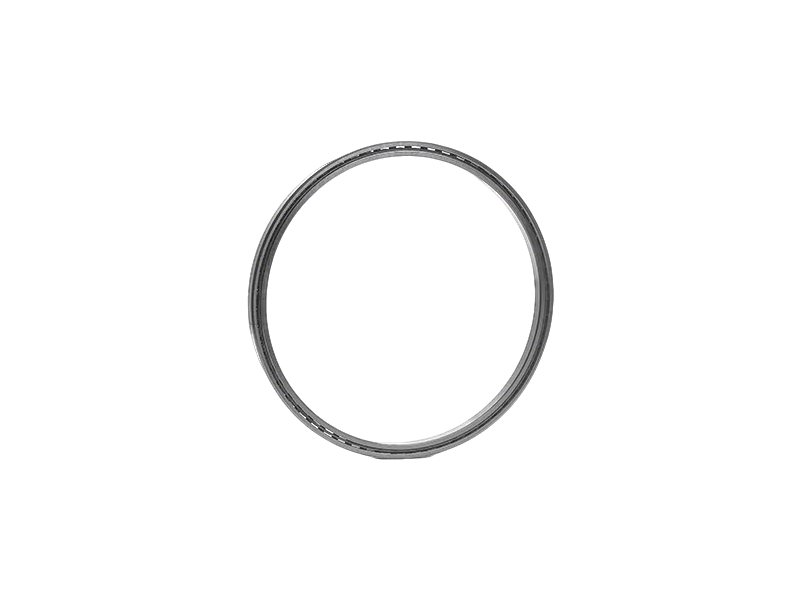
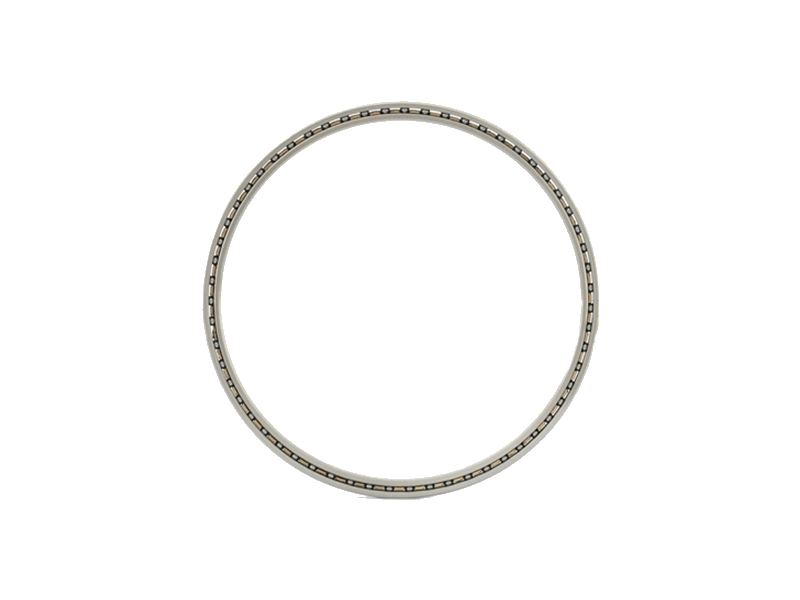
Thin-walled ball bearings are a special type of bearing characterized by their constant cross-sectional dimensions throughout the entire series, regardless of the bore diameter (unlike traditional bearing designs, where the cross-sectional dimensions increase with increasing bore diameter). This design can significantly save space and reduce weight.
This article will systematically analyze the main types, performance advantages, and typical application scenarios of thin-walled ball bearings, helping you to make a quick selection decision.
Main Types of Thin-walled Ball Bearings
1. Single-row thin-walled ball bearing with uniform cross-section
Features:
Single-row rolling element design, uniform wall thickness of inner and outer rings, lightweight overall.
Small axial dimension, suitable for compact mechanical structures.
Advantages:
Flexible installation, highly adaptable.
Low frictional resistance, smooth operation.
Typical applications:
Small motors and precision instruments
Household appliances
Low-load rotating parts in automated production lines.
2. Double-row thin-walled ball bearing with uniform cross-section
Features:
Two rows of rolling elements on the inner and outer rings, increasing load-bearing capacity.
Compact axial space, saving mechanical layout space.
Advantages:
Load-bearing capacity is 1.5~2 times higher than single-row bearings.
Good stability, suitable for bidirectional loads.
Typical applications:
Industrial robot joints
Precision transmission mechanisms
High-speed textile equipment.
3. Thrust Constant Cross-Section Thin-Wall Ball Bearing
Features:
Specifically designed for axial loads
Constant cross-section structure ensures lightweight construction
Advantages:
Clear load direction, reducing radial interference
Easy maintenance and replacement
Typical Applications:
Marine machinery bearings
High-speed fans and pumps
Precision machine tool main bearings
4. Non-standard Customized Constant Cross-Section Thin-Wall Ball Bearing
Features:
Can be customized according to customer equipment size and load requirements
Available with different inner diameters, outer diameters, and cross-sectional thicknesses
Advantages:
Perfectly matches equipment design, reducing energy consumption
Improves overall mechanical performance and lifespan
Typical Applications:
Aerospace precision components
Medical equipment rotating structures
High-end automated production lines
Core Advantages of Thin-walled Ball Bearings
Advantages: Thin-walled ball bearings with a constant cross-section offer the following key advantages due to their unique design:
Space Saving: A key feature is their extremely thin and constant cross-section, making them ideal for applications with limited installation space.
Weight Reduction: Significantly lighter than standard bearings with similar inner diameters, this is crucial for weight-sensitive applications such as aerospace and robotics.
Structural Simplification: Especially with X-type four-point contact bearings, a single bearing can withstand multi-directional loads, simplifying design and installation.
Low Friction & High Precision: Many thin-walled bearings are available in high-precision grades (such as ABEC 5F/7F or ISO P5/P4), with ultra-precision raceway machining, helping to reduce friction and vibration for smooth and precise motion.
Application Scenarios
Thin-walled ball bearings are widely used in fields with high requirements for space, weight, precision, and friction:
Robotics: Precision robot joints, collaborative robots.
Aerospace & Defense: Satellite, radar and antenna systems, navigation/guidance systems.
Medical Equipment: Medical imaging equipment (such as CT, MRI), precision surgical robots.
Semiconductor Equipment: Wafer processing, measurement, and inspection systems.
Precision Machinery: Rotary stages, optical systems (such as telescope mounts), high-performance cameras and photographic equipment.
Choosing the right thin-walled ball bearing with uniform cross-section not only affects equipment operating efficiency but also directly relates to maintenance costs and service life. Understanding the characteristics, advantages, and application scenarios of each type helps companies and engineers make informed decisions in design, procurement, and production.
From single-row, double-row, thrust to custom-made, find the thin-walled ball bearing best suited for your equipment, making your machinery lighter, more efficient, and more durable.



 XRT Series Crossed Tapered Roller Bearings
 XV Series Crossed Cylindrical Roller Bearing
 XRU Crossed Roller Bearings
 XRSU Crossed Roller Bearings
 XRE Crossed Roller Bearings
 XRC Crossed Roller Bearings
 XRBH Crossed Roller Bearings
 XRB Crossed Roller Bearings
 Ultra Thin XRBS Crossed Roller Bearings
 Ultra Thin XRA-C Crossed Roller Bearings
 Ultra Thin XRA Crossed Roller Bearings
 XRBC Crossed Roller Bearings