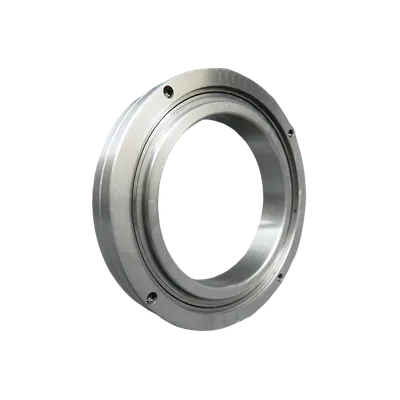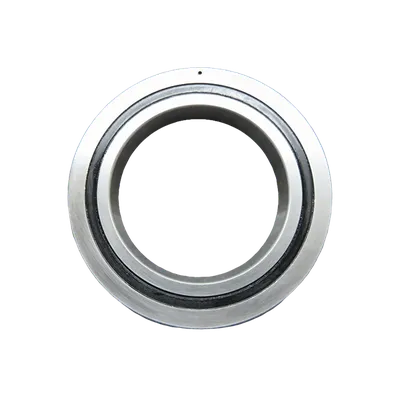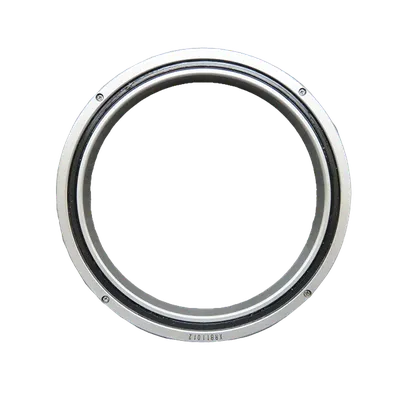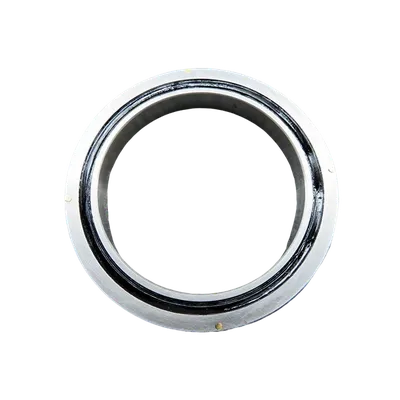

Thin section four-point contact bearings have become an indispensable component in precision machinery, aerospace applications, robotics, and other high-performance systems. Their compact size combined with high load-carrying capacity makes them ideal for applications where space is limited but performance cannot be compromised. Understanding how to calculate load capacity for thin section four-point contact bearings is critical for engineers and designers to ensure system reliability, longevity, and optimal performance.
Understanding the Basics of Thin Section Four-Point Contact Bearings
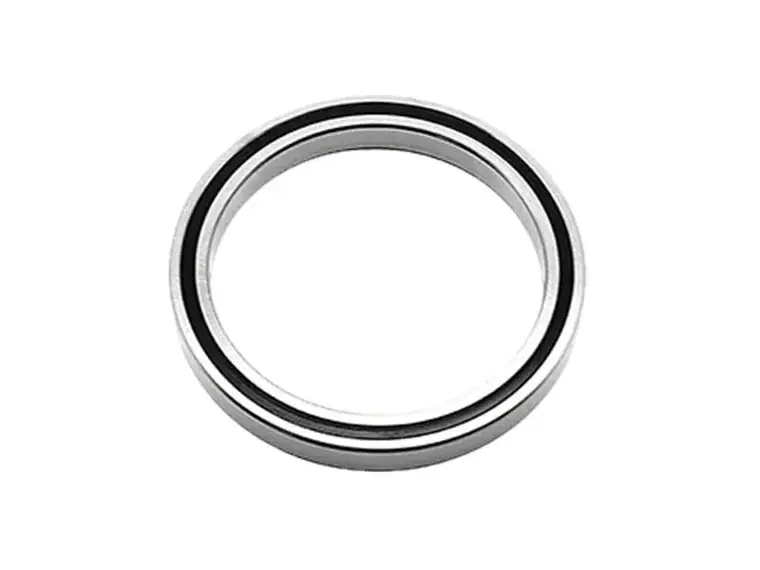
Thin section four-point contact bearings are unique because they are designed to accommodate axial loads in both directions, in addition to radial loads. Unlike standard ball bearings, these bearings distribute loads across four points of contact, which reduces stress concentration and improves rigidity. They are often used in robotic joints, rotary tables, and optical equipment where precise motion control is essential.
The calculation of load capacity is influenced by several factors, including the bearing’s geometry, material properties, preload, and operational environment. By carefully analyzing these factors, engineers can select the appropriate bearing size and ensure that it operates safely within its design limits.
Key Factors Affecting Load Capacity
Before diving into the calculations, it is important to identify the primary factors that affect the load capacity of thin section four-point contact bearings:
Bearing Geometry: The inner and outer ring diameters, cross-section width, and contact angle directly influence the load distribution and stress levels within the bearing. A larger cross-section and higher contact angle typically increase load capacity.
Material Strength: Bearings made from high-quality, hardened steel or advanced ceramics can sustain higher loads compared to those made from standard materials. Material fatigue limits must be considered when calculating load capacity for long-term operation.
Preload Conditions: Applying proper preload can enhance stiffness and reduce deflection. However, excessive preload may increase friction and heat generation, reducing bearing life.
Operating Environment: Temperature, lubrication, and contamination impact the effective load capacity. Bearings operating in high-temperature or contaminated environments require derating factors to account for reduced performance.
Dynamic vs. Static Loads: The bearing load capacity differs for dynamic (rotating) versus static (stationary) applications. Dynamic capacity considers fatigue life under repeated loading cycles, whereas static capacity focuses on the bearing’s ability to withstand peak loads without permanent deformation.
Step-by-Step Guide to Calculate Load Capacity
Calculating the load capacity for thin section four-point contact bearings involves both theoretical formulas and practical adjustments based on operating conditions.
Step 1: Determine Basic Dynamic Load Rating
The basic dynamic load rating, denoted as C, represents the constant radial load a bearing can theoretically endure for a rating life of one million revolutions. Manufacturers typically provide this value in product datasheets. For a four-point contact bearing, dynamic load capacity must account for the combined radial and axial forces, which can be represented as:
P=X⋅Fr+Y⋅Fa
Where:
P= Equivalent dynamic bearing load
Fr= Radial load
Fa= Axial load
X,Y = Load factors determined by bearing geometry and contact angle
The values of X and Y are derived from bearing manufacturer catalogs or engineering standards such as ISO 281. These factors adjust the contribution of radial and axial loads to the overall dynamic stress on the bearing.
Step 2: Determine Static Load Rating
The basic static load rating, denoted as C₀, indicates the maximum load the bearing can withstand without permanent deformation. Static capacity is particularly important for applications with intermittent or shock loads. For four-point contact bearings, static load capacity can be calculated using:
P0=X0⋅Fr+Y0⋅Fa
Where X₀ and Y₀ are static load factors that depend on bearing size and contact angle.
Step 3: Apply Load Life Factor
Bearing life depends not only on applied load but also on the expected operating cycles. For dynamic applications, the bearing rating life L₁₀ can be calculated using:
L10=(C/P)³×10 ⁶ revolutions
Where L₁₀ represents the number of revolutions at which 90% of a batch of identical bearings will still be operational. For applications with variable loads, the equivalent load must be determined using the RMS or weighted average of the load profile.
Step 4: Consider Preload and Misalignment
Preload can significantly affect the load capacity. In four-point contact bearings, the axial preload ensures that all four contact points engage properly, reducing play and increasing stiffness. The applied preload must be added to the axial load in the calculation:
Fa,eff=Fa+Fpreload
Misalignment or eccentric mounting reduces the effective load capacity. Manufacturers often provide correction factors that reduce the nominal load ratings to account for installation errors.
Step 5: Apply Environmental Factors
Operating temperature, lubrication quality, and contamination require derating of the calculated load capacity. Typical derating factors range from 0.7 to 0.9, depending on conditions. For instance, bearings operating at temperatures above 150°C or with poor lubrication should be considered at a reduced capacity to prevent premature failure.
Step 6: Verify Against Application Requirements
After calculating the equivalent dynamic and static loads, compare them against the application’s operational loads. Ensure that:
The equivalent dynamic load does not exceed the dynamic rating C for the required life.
The equivalent static load does not exceed the static rating C₀.
Safety factors are applied as necessary, typically ranging from 1.2 to 2.0 depending on criticality.
By carefully following these steps, engineers can confidently determine how to calculate load capacity for thin section four-point contact bearings, optimizing performance and reliability.
Practical Tips for Engineers
Always consult the bearing manufacturer’s technical datasheets for accurate load factors and rating life constants.
Use simulation tools such as finite element analysis (FEA) to visualize stress distribution in high-load applications.
Consider operational conditions such as vibrations, shocks, and temperature gradients when finalizing bearing selection.
Document assumptions, preload conditions, and derating factors to maintain transparency in design and reduce maintenance risks.
Conclusion
Thin section four-point contact bearings offer exceptional versatility for applications requiring compact size and high precision. However, improper load calculations can lead to premature failure, increased maintenance, and operational downtime. Understanding the principles of how to calculate load capacity for thin section four-point contact bearings ensures that engineers select the correct bearing, optimize its life, and maintain system reliability. By considering geometry, material, preload, environmental factors, and dynamic versus static loads, engineers can achieve precise and robust designs suitable for the most demanding applications.