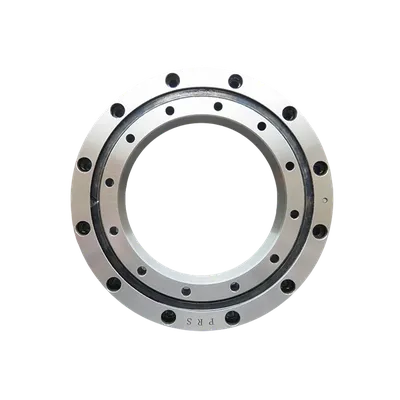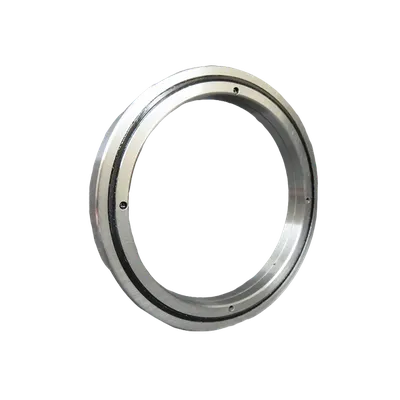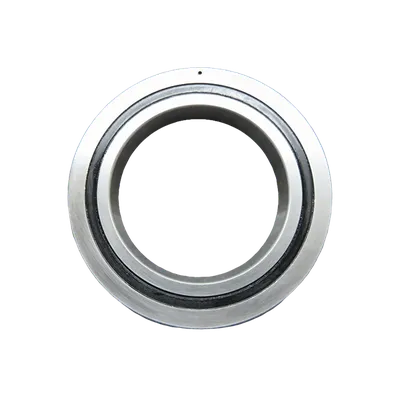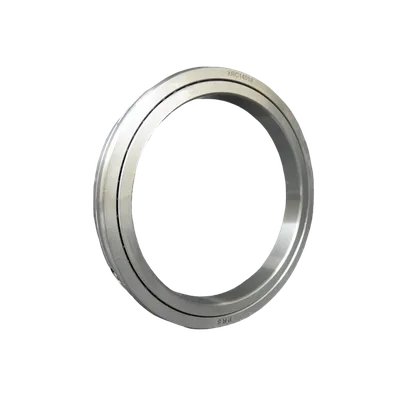
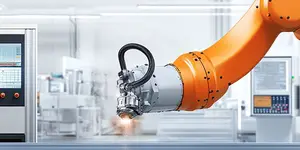
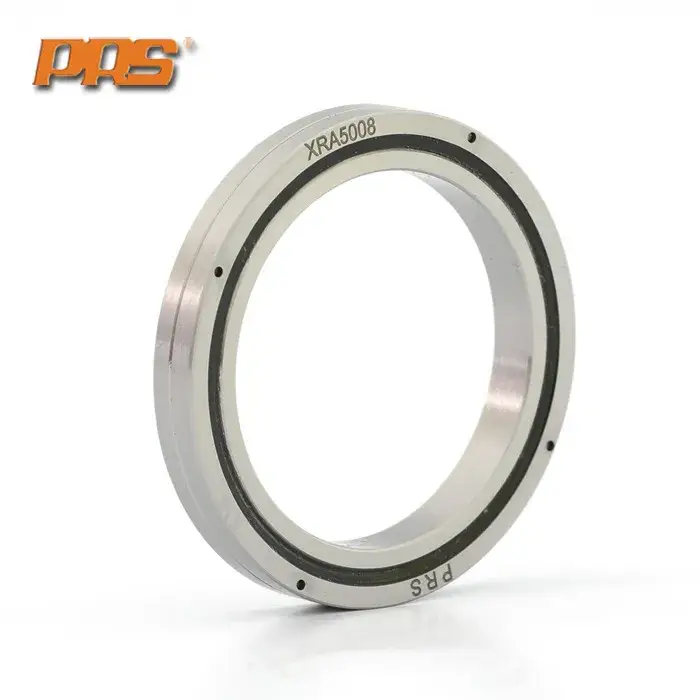
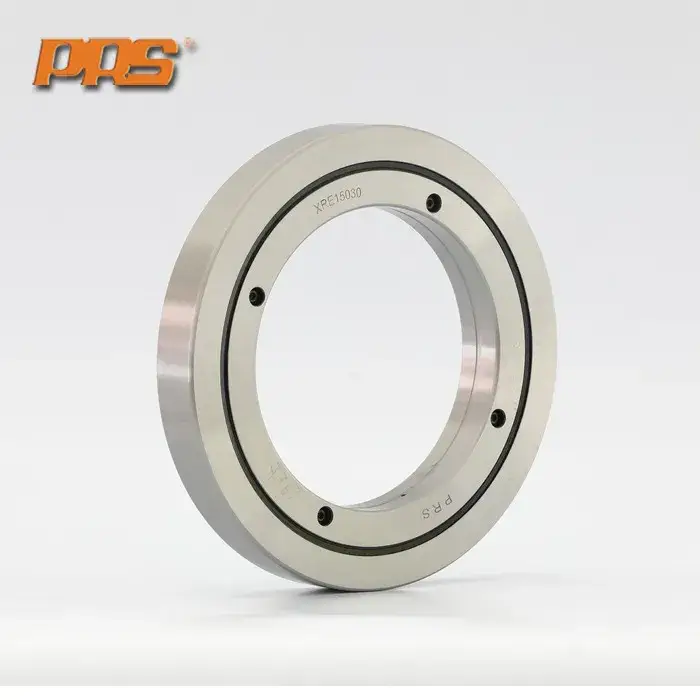
Crossed roller bearings are widely used in high-precision machinery, robotics, and industrial equipment due to their exceptional rigidity, smooth rotation, and ability to support both radial and axial loads. However, these bearings are highly sensitive, and improper handling during disassembly can lead to deformation, scratches, or even complete failure—resulting in costly downtime and repairs. To ensure safe and effective maintenance, it’s essential for engineers and operators to understand the key precautions before disassembling crossed roller bearings.
Crossed Roller Bearing Disassembly
1. Prepare the Correct Tools and Environment
Disassembly should never be attempted with improvised tools. Essential tools include:
Precision bearing pullers
Soft-faced mallets
Specialized spanners or wrenches
Tweezers or soft gloves for handling rollers
Additionally, choose a clean, well-lit, and dust-free workspace. Even small metal particles, dust, or moisture can damage bearing surfaces. Consider using a clean workbench with a non-slip mat, and keep cleaning solvents and lint-free cloths nearby for immediate use.
2. Study the Bearing Structure Thoroughly
Crossed roller bearings consist of cylindrical rollers arranged alternately at right angles between inner and outer rings. Unlike standard ball bearings, their rollers are tightly preloaded to maintain rigidity and precise alignment. Before disassembly, carefully review:
Manufacturer’s assembly drawings
Bearing specifications (size, preload, tolerance)
Roller orientation and spacing
Understanding the structure ensures you do not disturb the preload or misalign rollers during removal.
3. Avoid Excessive Force
Never force the bearing apart by striking the rings directly. Excessive force can cause:
Ring deformation
Roller scratches
Micro-cracks leading to early failure
If the bearing is stuck due to corrosion or contamination, try gentle heating (e.g., using a low-temperature heat gun) or a rust-removing solution instead of brute force. Always apply pressure gradually and evenly with the proper tools.
4. Mark Components for Accurate Reassembly
Before disassembly, mark each component clearly:
Inner and outer rings
Roller cage
Individual rollers
Maintaining the original orientation is critical for preserving preload and ensuring smooth operation after reassembly. Even minor misalignment can compromise precision performance.
5. Handle Rollers with Extreme Care
The rollers are tightly fitted, highly polished, and easily damaged. Best practices include:
Using tweezers or soft gloves
Avoiding contact with hard or abrasive surfaces
Handling one roller at a time to prevent loss or scratches
Dropping a single roller can cause uneven load distribution, leading to vibration or accelerated wear.
6. Clean and Inspect Immediately
Once disassembled:
Clean all components with a non-abrasive solvent
Inspect for:
Surface wear
Corrosion or rust
Deformation or scratches
Pay particular attention to the rollers and raceways, as even minor imperfections can affect bearing performance. Replace any compromised components before reassembly to ensure reliability.
7. Follow Manufacturer Guidelines
Different crossed roller bearings may have specific disassembly instructions, tolerances, or handling precautions. Always refer to the manufacturer’s maintenance manual. Compliance ensures:
Safety during handling
Longevity of the bearing
Preservation of precision and load capacity
Skipping manufacturer guidance can void warranties and risk catastrophic failure.
Conclusion
Disassembling crossed roller bearings is more than a routine maintenance task—it is critical for preserving the precision, longevity, and efficiency of high-performance machinery. By preparing the right tools, understanding the bearing structure, handling components carefully, and strictly following manufacturer instructions, you can avoid unnecessary damage, reduce maintenance costs, and maintain optimal machine performance.
For businesses that rely on precision equipment, training staff on these precautions is a small investment that can significantly reduce downtime and extend the service life of key components.