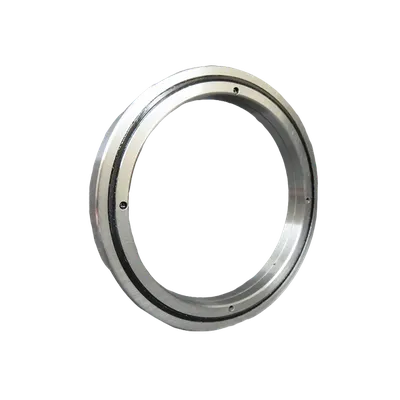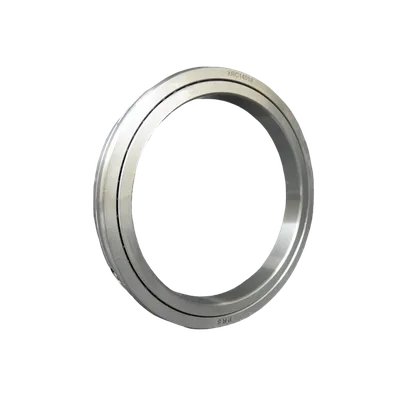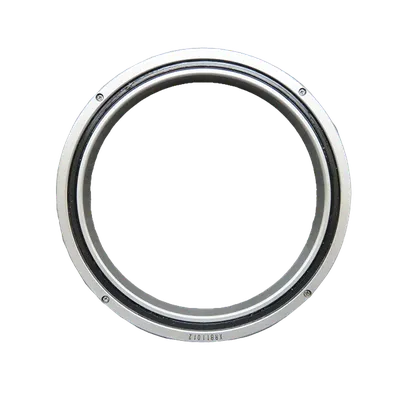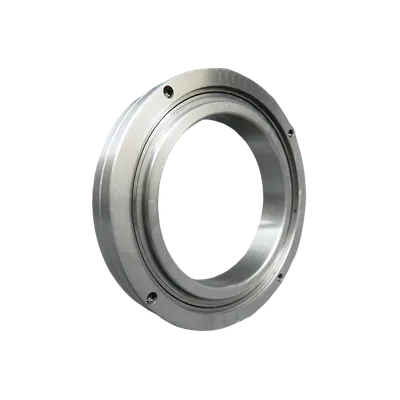

Crossed roller bearings are critical components in precision machinery, medical devices, robotics, and industrial automation systems. Their unique design, which features alternating rollers arranged perpendicularly, provides exceptional rigidity, high load capacity, smooth rotational motion, and compactness. However, despite their advanced engineering, crossed roller bearings are not immune to rust—a common issue that can compromise performance, accuracy, and service life. Understanding the causes of rust, adopting preventive measures, and knowing effective treatment methods are essential for maintaining the reliability and efficiency of these high-precision components.
Why Rust Forms in Crossed Roller Bearings
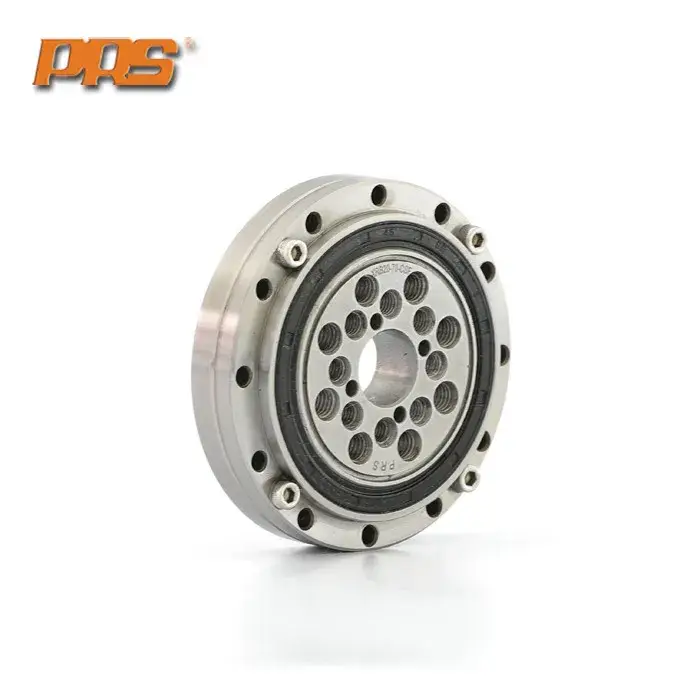
Rust is a type of corrosion that forms when iron or steel reacts with oxygen and moisture, creating iron oxide. In crossed roller bearings, rust can develop under various conditions, each of which poses a significant threat to bearing performance:
Moisture and Humidity
Even small amounts of water in the air can trigger corrosion. Bearings stored in damp warehouses, factories with high humidity, or environments with condensation are particularly vulnerable.
Contaminants and Particles
Dust, dirt, metal shavings, and acidic residues can settle on bearing surfaces, accelerating rust formation by creating microenvironments that retain moisture.
Lubrication Failure
Bearings rely on a consistent layer of lubricant to prevent direct metal-to-air contact. Insufficient lubrication or degraded grease exposes steel surfaces to oxidation, increasing the likelihood of corrosion.
Surface Damage
Scratches, dents, or pitting on rollers or raceways create localized areas where moisture and contaminants can accumulate, serving as breeding grounds for rust.
By identifying these risk factors, maintenance teams can proactively design strategies to reduce corrosion and maintain optimal bearing performance.
Effective Rust Prevention Strategies
Prevention is far more effective and cost-efficient than repairing rusted bearings. The following strategies provide a comprehensive approach to rust prevention:
1. Proper Storage
Climate Control: Store bearings in dry, temperature-regulated spaces to reduce moisture exposure.
Sealed Packaging: Use airtight containers or vacuum-sealed packaging, supplemented with desiccants, to absorb residual humidity.
Avoid Direct Contact: Keep bearings off concrete floors or uncoated metal surfaces that can trap moisture and promote rust.
2. Protective Coatings and Treatments
Anti-Corrosion Sprays: Apply rust inhibitors or corrosion-resistant sprays on bearing surfaces to provide a protective barrier.
Material Selection: For environments with high humidity or exposure to corrosive chemicals, opt for chrome-plated or stainless steel bearings, which offer better rust resistance.
Long-Term Transport Protection: Bearings shipped over long distances should be packaged with corrosion-preventive oils and sealed to minimize exposure to moisture and contaminants.
3. Lubrication Management
Consistent Lubrication: Use high-quality grease or oil specifically recommended by the bearing manufacturer to ensure full coverage of all rollers and raceways.
Scheduled Replacement: Regularly replace lubricants to prevent degradation, which can leave metal surfaces exposed to air and moisture.
Monitoring: Periodically inspect bearings for lubricant condition, especially in high-speed or high-load applications, to maintain optimal protection.
4. Environmental Control During Operation
Clean Work Conditions: Minimize dust, debris, and other foreign particles in the operating environment. Even minor contamination can accelerate corrosion.
Seals and Shields: Install bearing seals or shields on machines operating in harsh conditions, such as high humidity, exposure to water, or chemical-laden environments.
Chemical Exposure Minimization: Avoid direct contact with acids, alkaline solutions, or other corrosive substances during production processes.
Rust Treatment Techniques
Even with the best preventive measures, rust can still occur. Timely treatment is crucial to restoring bearing function and extending service life.
1. Mechanical Cleaning
Use soft wire brushes or fine abrasive pads to remove surface rust.
Avoid aggressive scrubbing that may scratch the raceway or rollers, as surface damage can accelerate future rust formation.
2. Chemical Rust Removers
Apply commercial rust removers or phosphoric acid-based solutions following manufacturer instructions.
Ensure all residues are thoroughly cleaned and neutralized before re-lubricating the bearing.
3. Ultrasonic Cleaning
For high-precision bearings, ultrasonic cleaning with degreasing solutions can remove rust without mechanical contact.
This method is especially effective for bearings with complex geometries or hard-to-reach surfaces.
4. Re-Lubrication and Protective Measures
Immediately apply fresh lubricant after rust removal to restore the protective barrier.
For additional protection, consider applying a rust-inhibiting coating before reinstalling the bearing in its equipment.
Conclusion: Investing in Bearing Longevity
Rust in crossed roller bearings may seem minor initially, but even small corrosion patches can lead to serious consequences, including increased friction, reduced rotational accuracy, and premature failure. By combining proper storage, regular and effective lubrication, protective coatings, and prompt rust treatment, businesses can significantly extend bearing life and maintain machine precision.
A proactive approach to rust prevention is not just a maintenance task—it is an investment in operational reliability, efficiency, and cost reduction. Companies that adopt these strategies ensure the long-term performance of their crossed roller bearings, safeguard critical machinery, and minimize downtime, ultimately contributing to stronger productivity and higher return on investment.