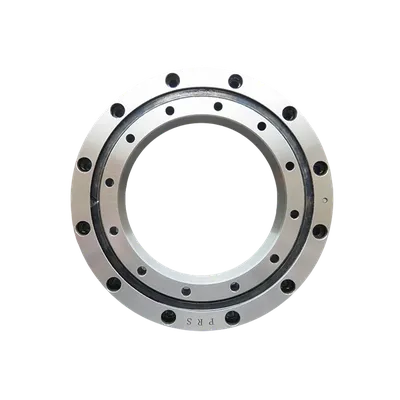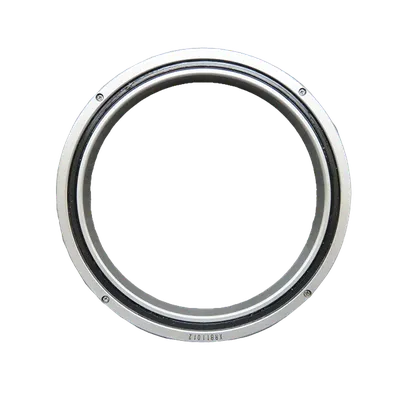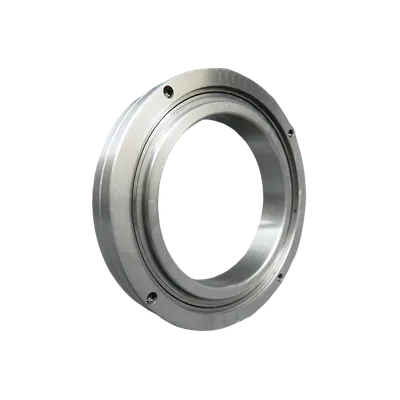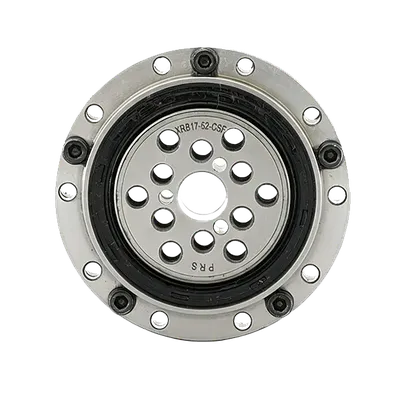

In high-end industrial systems where positioning accuracy and load stability directly affect product quality, split inner ring crossed roller bearings are no longer just optional components—they are critical to system performance. From automated robotic joints and CNC rotary tables to medical imaging platforms and heavy-load positioning equipment, these bearings are engineered to deliver exceptional rigidity and multi-directional load capacity within a compact footprint.
However, even the most advanced bearing design cannot compensate for improper installation. In real-world applications, a significant percentage of premature bearing failures can be traced back to contamination, misalignment, or incorrect mounting practices. These issues not only shorten bearing lifespan but also lead to costly downtime, vibration-related defects, and reduced operational accuracy.
Split Inner Ring Crossed Roller Bearing Installation
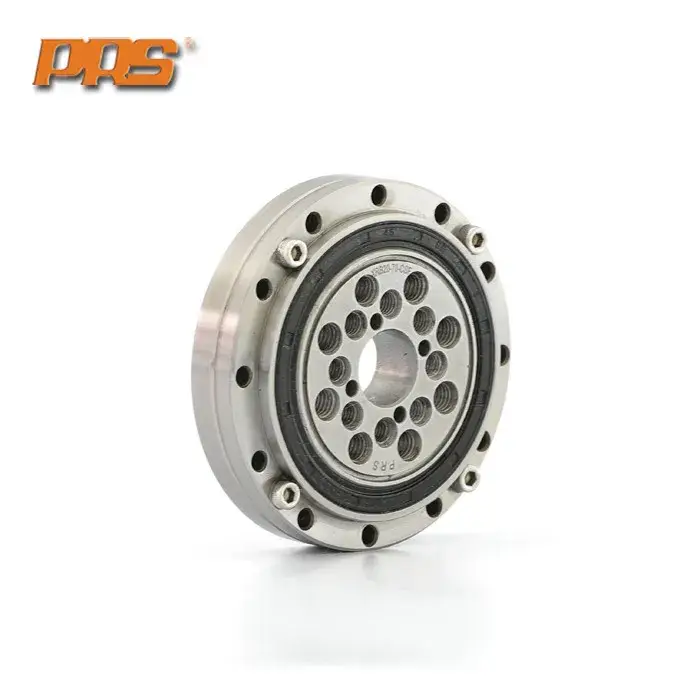
This guide is written from a practical engineering perspective, combining field experience with technical best practices. It walks through each stage of the installation process in detail, helping operators, maintenance teams, and engineers achieve consistent, high-quality results while aligning with modern reliability and performance standards.
1. Structural Overview: Why Split Inner Ring Design Matters
Before installation begins, a clear understanding of the bearing structure is essential. Split inner ring crossed roller bearings consist of segmented inner rings, a precision-machined outer ring, and cylindrical rollers arranged alternately at right angles. This crossed configuration enables the bearing to simultaneously support radial loads, axial loads, and overturning moments.
What distinguishes this design is the segmented inner ring. Instead of a one-piece structure, the inner ring is divided into multiple sections, allowing for:
Simplified installation in large-diameter systems without requiring heavy lifting tools
Reduced risk of deformation during mounting
Efficient maintenance, as individual segments can be replaced independently
This structural flexibility makes split designs especially suitable for industries where downtime must be minimized and precision cannot be compromised.
2. Pre-Installation Preparation: The Foundation of Reliability
A controlled installation environment is often underestimated, yet it plays a decisive role in bearing performance. Before unpacking the bearing, ensure that:
The workspace is clean, dry, and free from airborne contaminants
Lighting conditions allow for detailed visual inspection
All tools are calibrated and suitable for precision assembly
Typical tools include torque wrenches, dial indicators, non-abrasive cleaning materials, and alignment fixtures. For larger bearings, safe handling equipment should also be prepared in advance.
At this stage, it is equally important to inspect the mounting surfaces on the shaft and housing. Even minor surface irregularities—such as burrs or micro-corrosion—can disrupt load distribution and introduce unwanted stress concentrations.
3. Cleaning and Inspection: Eliminating Hidden Risks
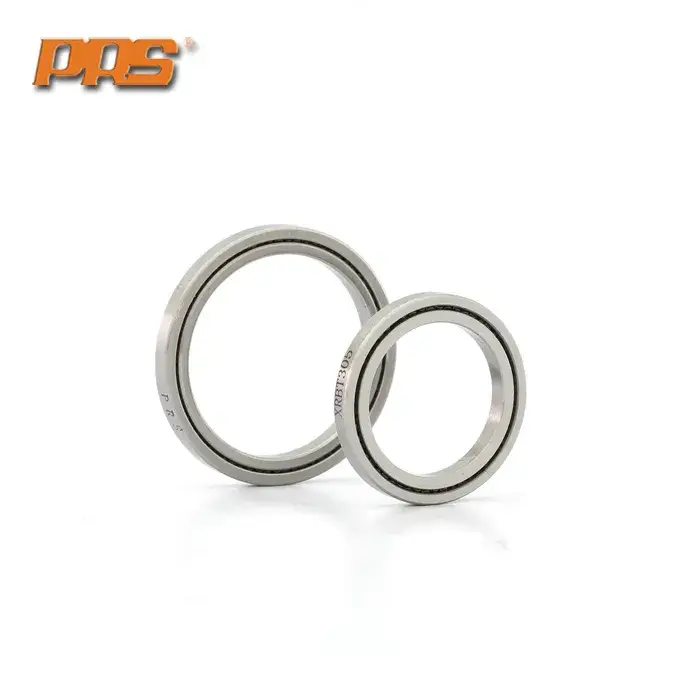
Every bearing component must be carefully cleaned before installation. Protective coatings applied during manufacturing or storage should be removed using approved industrial solvents. It is critical to avoid direct hand contact with raceways and rollers, as even minimal contamination can initiate corrosion over time.
During inspection, pay close attention to:
Surface integrity of raceways and rollers
Presence of cracks, dents, or machining defects
Smooth rolling behavior without resistance
Consistency of part numbers and assembly markings
Addressing these details early prevents performance issues that are often difficult to diagnose after installation.
4. Lubrication Strategy: Balancing Protection and Performance
Lubrication is not simply a routine step—it directly influences friction, heat generation, and wear resistance. Selecting the correct lubricant based on operating conditions (speed, load, temperature, and environment) is essential.
Apply a uniform, controlled layer of lubricant across:
Roller surfaces
Inner ring raceways
Contact interfaces between split segments
Excess lubrication should be avoided, as it can lead to increased internal resistance and temperature buildup. In precision systems, even slight thermal expansion can impact alignment and accuracy.
5. Installing Inner Ring Segments: Precision in Every Step
The installation of split inner ring segments requires careful sequencing and alignment. Begin by positioning the first segment onto the shaft, ensuring full contact with the mounting surface. Subsequent segments should be installed progressively, maintaining consistent alignment throughout the process.
Best practices include:
Tightening bolts incrementally using a diagonal (cross-pattern) sequence
Verifying circular integrity with precision measurement tools
Avoiding impact forces—never use hammers or forceful insertion methods
After all segments are in place, manually rotate the assembly. The motion should be smooth and uniform. Any irregular resistance typically indicates misalignment and must be corrected immediately.
6. Outer Ring Installation: Ensuring Structural Integrity
With the inner ring fully assembled, the outer ring can be carefully positioned. It should fit naturally over the roller assembly without excessive force. Improper handling at this stage can compromise roller alignment and reduce bearing lifespan.
Key considerations include:
Maintaining parallel alignment between inner and outer rings
Applying torque evenly according to manufacturer specifications
Preventing tilting or uneven pressure during fastening
A properly installed outer ring ensures that load distribution remains balanced under operational conditions.
7. Final Verification: From Installation to Operation
Before placing the equipment into service, a thorough verification process is essential. This includes:
Manual rotation testing to confirm smooth operation
Measurement of radial and axial runout using precision instruments
Inspection of lubrication coverage and sealing effectiveness
Conducting a low-speed test run under controlled load
Recording these results not only validates installation quality but also establishes a performance baseline for future maintenance.
8. Maintenance Strategy: Sustaining Long-Term Performance
Even with optimal installation, ongoing maintenance is required to preserve bearing performance. A proactive maintenance approach should include:
Scheduled lubrication checks based on operating cycles
Monitoring vibration and noise patterns for early fault detection
Periodic visual inspections for wear, corrosion, or contamination
Replacing individual segments when necessary instead of the entire assembly
This targeted maintenance strategy significantly reduces downtime while maintaining system precision.
Conclusion: Precision Installation as a Competitive Advantage
Split inner ring crossed roller bearings are designed for high-performance applications, but their true value is realized only when installation is executed with precision and discipline. Each step—from preparation and cleaning to alignment and testing—contributes directly to the bearing’s operational stability and service life.
For manufacturers and operators aiming to enhance equipment reliability and reduce lifecycle costs, investing in proper installation practices is not optional—it is a strategic necessity. By following a structured, detail-oriented approach, you can ensure that your bearing systems deliver consistent accuracy, durability, and efficiency across demanding industrial environments.