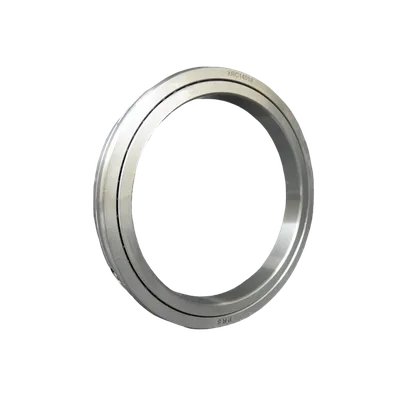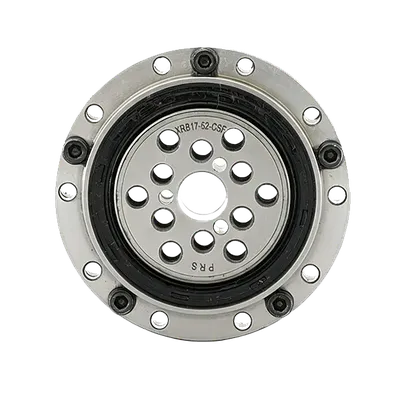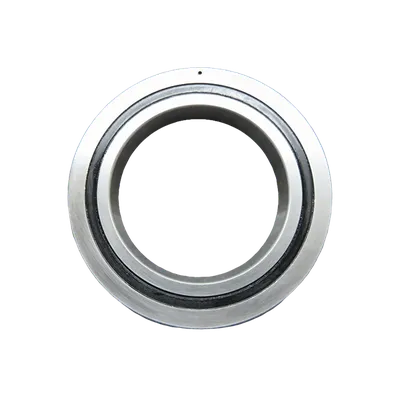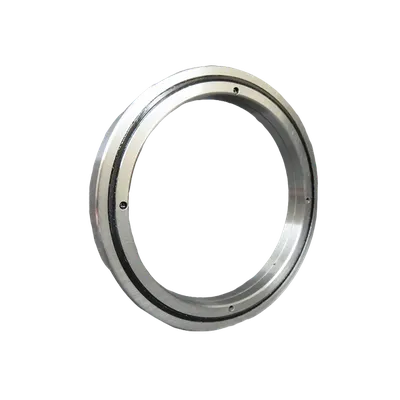
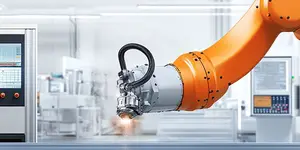
Crossed roller bearings play a critical role in modern precision machinery. Engineers widely select this type of bearing for applications that demand high rigidity, compact structure, and exceptional rotational accuracy. Industries such as robotics, CNC machine tools, semiconductor equipment, and heavy-duty rotary platforms rely heavily on crossed roller bearings to ensure stable and precise motion.
However, many operators encounter a frustrating issue during actual use: uneven, jerky, or inconsistent rotation. This problem not only affects equipment accuracy but may also lead to vibration, noise, premature wear, and even unexpected downtime. For businesses that depend on high-precision operations, such performance instability can directly impact productivity and operating costs.
Troubleshooting Guide for Uneven Rotation of Crossed Roller Bearings
This article provides a comprehensive and practical analysis of why crossed roller bearings rotate unevenly, along with actionable troubleshooting methods and preventive strategies. By understanding these factors in depth, maintenance teams and engineers can significantly improve equipment reliability and extend bearing service life.
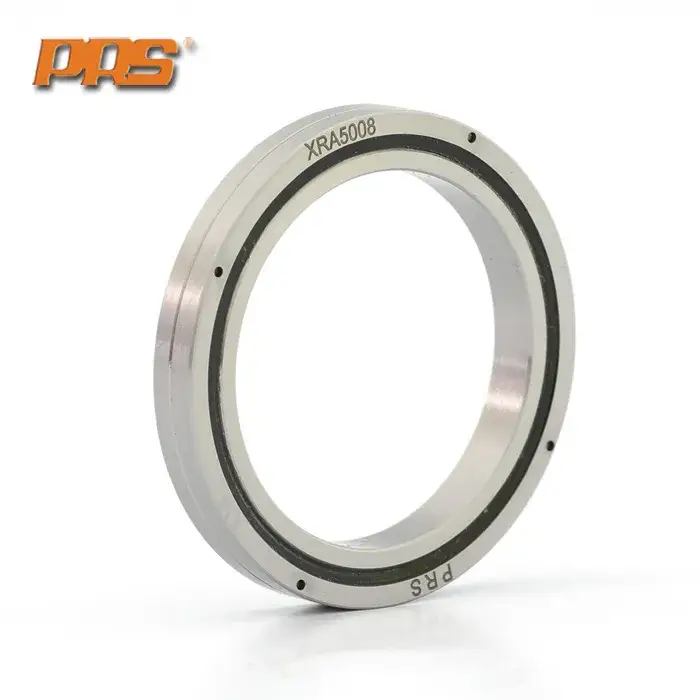
1. How Crossed Roller Bearings Work and Why Precision Matters
A crossed roller bearing features cylindrical rollers arranged alternately at 90-degree angles between the inner and outer rings. This unique structure allows a single bearing to simultaneously handle radial loads, axial loads, and overturning moments.
Unlike conventional ball bearings, crossed roller bearings depend heavily on:
Precise geometric alignment
Controlled preload settings
Uniform load distribution across all rollers
Because of this design sensitivity, even minor deviations during installation or operation can lead to uneven load sharing among rollers. Once the load distribution becomes unbalanced, the bearing will no longer rotate smoothly, and localized stress concentrations will begin to develop.
Therefore, when uneven rotation occurs, it often indicates deeper issues related to installation accuracy, lubrication condition, or working environment rather than a simple surface-level fault.
2. Key Causes of Uneven Rotation in Crossed Roller Bearings
2.1 Installation Misalignment
Improper alignment during installation remains one of the most common causes of uneven rotation. When technicians fail to align the inner and outer rings precisely, some rollers are forced to carry excessive loads while others remain underutilized.
This imbalance results in:
Increased localized friction
Irregular rolling motion
Noticeable vibration or “stick-slip” behavior
In large-diameter bearings or high-precision applications, even micron-level misalignment can significantly affect performance. Therefore, installation must always involve precision tools such as dial indicators, feeler gauges, or laser alignment systems to ensure strict tolerances.
2.2 Incorrect Preload Setting
Preload directly determines the internal clearance and rigidity of the bearing. A properly adjusted preload ensures stable roller positioning and eliminates unwanted play.
However, incorrect preload settings can quickly lead to operational issues:
Insufficient preload allows internal clearance, causing rollers to shift during rotation, which leads to instability and vibration.
Excessive preload increases internal friction, generates heat, and accelerates wear on raceways and rollers.
Manufacturers typically provide detailed preload specifications based on bearing size, load conditions, and application requirements. Ignoring these guidelines often results in reduced bearing performance and shortened service life.
2.3 Contamination and Foreign Particles
Industrial environments often expose bearings to contaminants such as dust, metal chips, coolant residues, or moisture. When these particles enter the bearing raceway, they disrupt the smooth rolling motion of the rollers.
Contamination can cause:
Micro-indentations on raceways
Irregular contact points
Increased noise and vibration
Progressive surface damage
Even microscopic debris can affect high-precision bearings. Therefore, maintaining a clean assembly environment and using high-quality sealing solutions are essential to prevent contamination-related failures.
2.4 Lubrication Problems
Lubrication plays a fundamental role in reducing friction and preventing wear. When lubrication is inadequate or inappropriate, the bearing cannot maintain a stable oil film between contact surfaces.
Common lubrication issues include:
Using incorrect grease or oil type
Insufficient lubrication quantity
Over-lubrication leading to churning resistance
Grease degradation caused by high temperature or oxidation
For example, hardened or aged grease may restrict roller movement, leading to intermittent rotation resistance. To avoid such issues, operators must implement a lubrication strategy tailored to operating speed, load conditions, and environmental factors.
2.5 Surface Wear and Material Fatigue
Over time, repeated loading cycles can cause fatigue damage to bearing components. Common forms of damage include:
Pitting
Spalling
Uneven roller wear
Raceway deformation
These defects disrupt the smooth rolling path and create periodic resistance during rotation. In advanced stages, they can lead to severe vibration and noise, ultimately requiring bearing replacement.
Regular condition monitoring, including vibration analysis and visual inspection, can help detect early signs of wear before major failures occur.
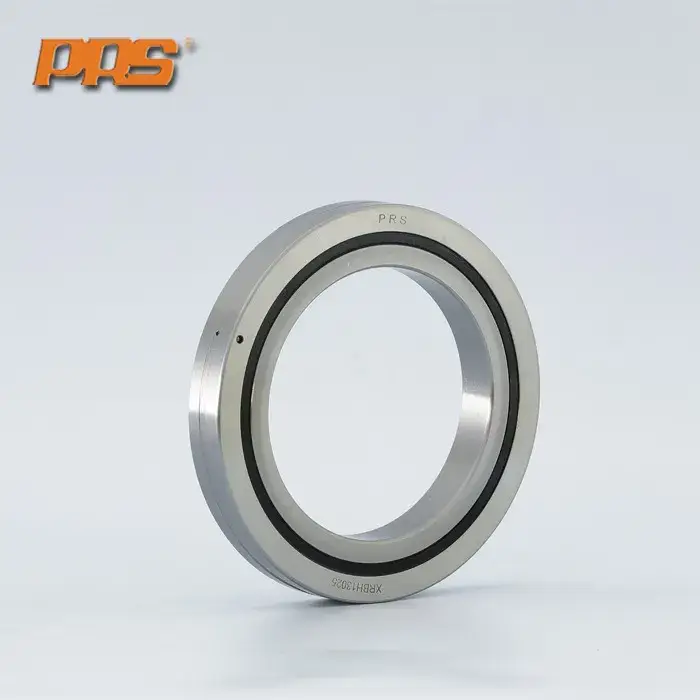
3. Practical Troubleshooting Steps for Uneven Rotation
When uneven rotation is detected, operators should follow a systematic diagnostic process instead of making assumptions. A structured approach improves efficiency and reduces unnecessary downtime.
Step 1: Perform a Thorough Visual Inspection
Inspect the bearing and surrounding components carefully. Look for signs such as scratches, discoloration, dents, or contamination. These visible indicators often reveal underlying problems like overheating or debris intrusion.
Step 2: Verify Alignment and Mounting Accuracy
Check whether the bearing rings are correctly aligned and securely mounted. If necessary, re-align the system using precision measurement tools to eliminate angular or axial deviation.
Step 3: Evaluate Preload Condition
Measure and adjust preload according to manufacturer specifications. Correct preload ensures balanced load distribution and stable rotation.
Step 4: Review Lubrication Status
Confirm that the correct lubricant type is being used and that it is evenly distributed. Replace degraded grease and establish a consistent lubrication schedule.
Step 5: Analyze Load Conditions
Determine whether the bearing is subjected to excessive or uneven loads. Overloading or improper load direction can lead to abnormal roller engagement and uneven motion.
Step 6: Improve Environmental Protection
Install seals, covers, or shields to minimize exposure to contaminants. In harsh environments, consider using specialized sealing solutions to enhance protection.
Step 7: Apply Advanced Diagnostic Techniques
If the issue persists, advanced methods such as vibration monitoring, thermal imaging, or precision measurement can help identify hidden defects that are not visible during routine inspection.
4. Preventive Maintenance Strategies to Ensure Smooth Operation
Preventing uneven rotation is far more cost-effective than troubleshooting after failure. Companies that implement proactive maintenance strategies can significantly reduce downtime and extend equipment lifespan.
Key preventive measures include:
Maintaining strict cleanliness during installation and operation
Using calibrated tools to ensure precise alignment
Following manufacturer-recommended preload settings
Establishing a regular lubrication schedule
Monitoring operating loads and environmental conditions
Conducting periodic inspections and condition monitoring
In addition, working with experienced bearing suppliers and following standardized installation procedures can further improve system reliability.
5. Conclusion: A Proactive Approach Is the Key to Reliability
Uneven rotation in crossed roller bearings rarely results from a single issue. In most cases, it develops due to a combination of misalignment, improper preload, contamination, lubrication problems, and gradual wear.
By adopting a systematic troubleshooting approach and implementing preventive maintenance practices, operators can effectively eliminate these issues and restore smooth, stable rotation. More importantly, a proactive maintenance mindset helps businesses avoid costly downtime, improve operational efficiency, and maximize the return on their equipment investment.
For industries that depend on precision motion control, maintaining optimal bearing performance is not just a technical requirement—it is a critical factor in long-term competitiveness and operational success.